Austin Home
When creating custom furniture, precise measurements of a room are essential. Knowing how to measure a room for custom furniture fitting can greatly impact the overall design and functionality. Even a small error in measurement can lead to furniture that doesn't fit well or looks out of place.
Understanding your space is important. Begin by measuring the length and width of the room. Note any architectural features like windows or doors. Take your time with these measurements. An overlooked detail could cause frustration down the line.
In addition, consider the furniture you want to include. Sketching a layout can help visualize how pieces will interact. Be ready for adjustments in your initial plan. Sometimes, what looks good on paper doesn't translate to reality. This process of understanding and adapting will result in a harmonious space that truly feels like home.
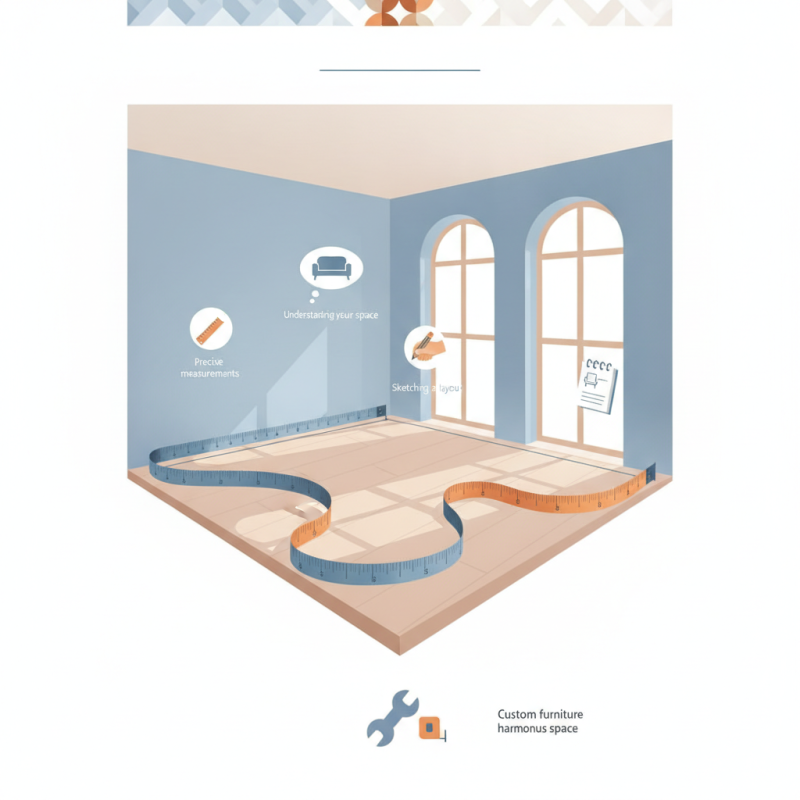
Accurate room measurements are crucial for custom furniture. Inadequate measurements can lead to furniture that doesn't fit correctly, wasting time and resources. According to a report by the National Kitchen and Bath Association, improper measurements lead to 30% of redesigns. Ensuring precision can save homeowners from this costly mistake.
To measure your room effectively, start by gathering the necessary tools. A laser measure can provide precise distances, while a simple tape measure works well for smaller areas. It's essential to take measurements at multiple points. Walls can warp, and dimensions might differ. Record every measurement immediately to avoid confusion later on.
Tip: Always measure from the same corner to avoid discrepancies. For corners with irregular angles, consider using graph paper to visualize the space. This strategy can illuminate challenges that you might otherwise miss. Moreover, be aware of architectural features like columns or radiators. These elements can affect furniture placement, requiring adjustments. Taking the time to measure accurately reflects the care you have for your space. This attention to detail leads to well-fitted and aesthetically pleasing furniture.
Proper measurements are crucial when designing custom furniture. The following graph illustrates the importance of measuring different aspects of a room to ensure a perfect fit for custom furniture.
Measuring a room accurately is crucial for custom furniture. To start, gather essential tools. A tape measure is your best friend. Opt for one that is at least 25 feet long. Studies show that 75% of measurement mistakes occur due to improper tools or techniques. Investing in quality tools can minimize errors and save time.
Next, consider a level. This handy tool helps ensure that your furniture sits evenly. According to industry reports, uneven surfaces can lead to furniture that feels unstable. A square tool is beneficial for checking the corners, ensuring they form perfect right angles. You might also need graph paper or a digital drawing app. This will help visualize your space accurately.
Remember, it’s not just about taking measurements. Reflect on the dimensions and layout of your room. Some areas may seem larger or smaller than they are. 30% of homeowners underestimate space needs. They frequently lament tight squeezes or awkward arrangements. Evaluating your room’s actual dimensions leads to more comfortable and functional design choices.
Measuring a room for custom furniture is crucial. Accurate dimensions ensure that your furniture fits perfectly. According to industry reports, about 50% of furniture shoppers experience sizing issues. This can lead to wasted resources and frustration. Understanding the right measuring techniques can save you time and money.
Begin by measuring the room’s length and width. Use a tape measure for precision. Note any architectural features like windows and doors. Remove obstacles such as furniture. These details influence how the space will accommodate your new items. A common error is neglecting to consider room layouts. This can make the space feel cramped.
Pay attention to the vertical space as well. Measure ceiling height and any low-hanging fixtures. This is often overlooked but equally important. Industry studies indicate that more than 30% of customers do not account for vertical measurements. Lastly, create a sketch of your room with dimensions included. This visual aid helps when selecting custom pieces. Be thorough and reflective in your process to avoid common pitfalls.
| Dimension | Measurement (in feet) | Notes |
|---|---|---|
| Room Length | 15 | Measured from wall to wall |
| Room Width | 12 | Consider any protrusions |
| Ceiling Height | 8 | Standard height for most rooms |
| Door Width | 3 | Ensure furniture can fit through |
| Window Width | 5 | Check for natural light |
| Area for Furniture | 10 x 8 | Deduct space for other elements |
| Available Outlet Locations | 3 | Consider electrical needs |
When measuring a room for custom furniture, it's essential to identify significant features like doors, windows, and outlets. Doors and windows can influence furniture placement and should be measured accurately. Consider the height and width of each window. Their proximity to walls may limit options for large pieces. Measure from the floor to the bottom of the window to ensure your furniture fits comfortably within the space.
Outlets should not be overlooked. Note their locations and how many there are. You would not want to block outlets with bulky furniture. Ensuring easy access to power sources is crucial for electronic devices. Create a sketch of your room, marking the location of these features. This will help visualize how furniture can fit harmoniously within the space.
Tip: Take multiple measurements. A slight error can lead to significant discrepancies.
Lighting is another feature to consider. Natural light can affect how the room feels. Reflect on how much sunlight enters the room. Shadows and brightness can influence color choices for your furniture.
Tip: Use a tape measure and avoid relying solely on memory. Write down your measurements for accuracy.
Accurately measuring a room is crucial for creating custom furniture that fits perfectly. Start by gathering your tools: a tape measure, a pencil, and graph paper. Clear the room of any obstacles to take precise measurements. Measure the length and width of the space, noting any architectural features like windows, doors, or built-in elements. According to the Interior Design Society, 75% of homeowners experience dissatisfaction due to improper measurements when purchasing new furniture.
When creating your layout plan, sketch out the room on graph paper. Use a scale where one square represents one foot. Incorporate the measurements you took, placing furniture pieces in your drawing. This visual representation helps in understanding the flow and functionality of the space. A study by the National Kitchen & Bath Association found that 60% of successful design projects began with a detailed plan. Don’t be afraid to adjust your layout. It’s common to underestimate space when imagining the arrangement.
Consider leaving extra space around furniture for accessibility. The recommended clearance is at least 24 inches in walkways. This detail is often overlooked. Pay attention to the visibility of important features like light switches and outlets. By testing different arrangements, you may discover flaws in your original plan. Maintain flexibility in your design approach for a more satisfying outcome.
: They influence furniture placement and must be accurately measured for a proper fit.
Measure from the floor to the bottom of the window and note its width.
Note their locations and avoid blocking them with bulky furniture for easy access.
Gather a tape measure, pencil, and graph paper for precise measurements.
Sketch the room on graph paper using a scale to represent space and furniture.
Ensure a clearance of at least 24 inches in walkways for accessibility.
Natural light influences color options and overall room feel. Consider sunlight patterns.
They often underestimate the space required for furniture arrangements.
Maintain flexibility and be open to adjusting your layout for better functionality.
Writing down measurements prevents errors that could lead to inaccurate furniture sizes.
Accurate room measurements are crucial for ensuring custom furniture fits seamlessly within a space. To learn how to measure a room for custom furniture fitting, one must first understand the importance of precise dimensions. Begin by gathering essential tools such as a tape measure, pencil, and graph paper to facilitate the measuring process.
The process involves a step-by-step guide where you measure the room’s length, width, and height, while also identifying key features like doors, windows, and outlets that may influence furniture placement. Recording these measurements systematically and creating a layout plan allows you to visualize how the custom pieces will interact with the existing architecture and design. By adopting these methods, you can ensure that your furniture not only fits but enhances the overall aesthetic of your room.
