Austin Home Austin Home

Top 5 Best Lighting Options for Kitchen Worktops?

Time:2026-06-16 Author:Isabella
0%

When considering kitchen design, the question often arises: what is the best lighting for kitchen worktops? Proper lighting enhances functionality and aesthetics. Worktops are crucial spaces for food preparation and cooking. Optimal illumination can significantly impact safety and efficiency. Poor lighting can lead to accidents and mistakes, making it essential to choose the right fixtures.

Choosing lighting involves understanding the kitchen's layout and the worktops' positioning. Task lighting directly over work areas minimizes shadows. Ambient lighting creates a warm atmosphere, while accent lights highlight design features. It’s important to strike a balance between these elements for effective results.

Do consider personal preferences and specific needs when selecting lighting options. Different styles and types may suit various decor choices. However, it can be challenging to find a perfect solution. Experimentation and adjustments may be necessary to achieve the desired effect. Ultimately, the right lighting can transform a kitchen into a bright and inviting space, enhancing both functionality and enjoyment.
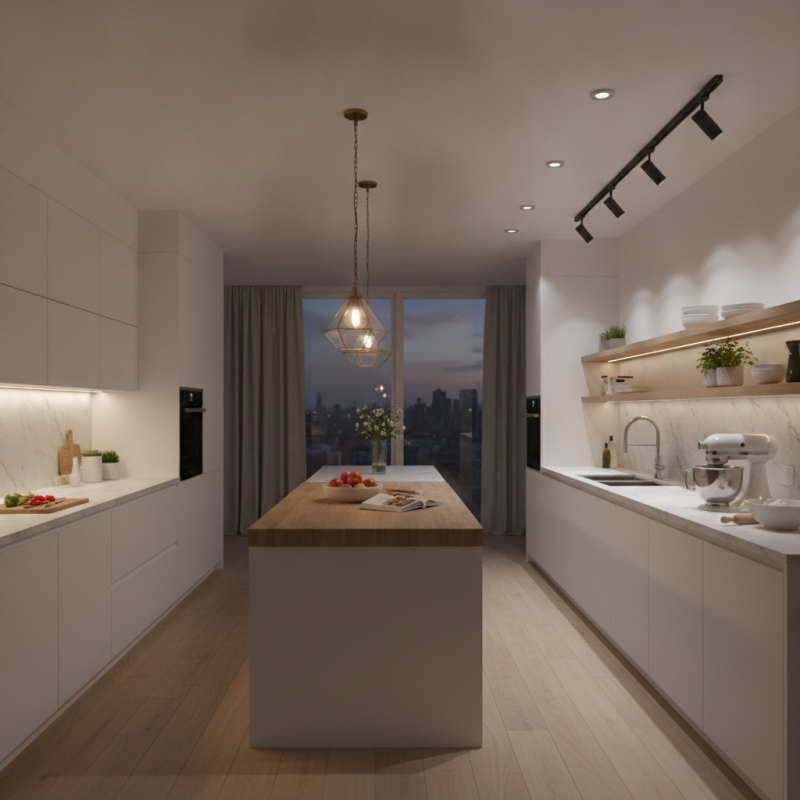
Top 5 Best Lighting Options for Kitchen Worktops?

Understanding the Importance of Proper Kitchen Worktop Lighting

Lighting plays a crucial role in kitchen functionality. Proper illumination enhances visibility, ensuring safety while cooking. According to a 2022 report by the National Kitchen & Bath Association, 76% of homeowners prioritize effective lighting in their kitchen designs. It significantly impacts not just aesthetics but also efficiency. A well-lit worktop allows for precision in food preparation and reduces the risk of accidents.

Task lighting is especially important above work surfaces. LED strip lights or under-cabinet fixtures provide focused brightness. This ensures that all activities, from chopping vegetables to measuring ingredients, can be performed with ease. A study from the American Lighting Association indicates that soft white lights can improve mood and productivity in the kitchen environment.

However, achieving the right balance can be challenging. Overly bright lights can cause glare and promote eye strain. Conversely, dim lighting may lead to mistakes or even accidents. Understanding your working style and preferences is essential. Personalizing your kitchen lighting enhances not just utility but also comfort and enjoyment in a space often considered the home's heart.

Types of Lighting: Ambient, Task, and Accent for Kitchens

Lighting is essential in the kitchen, especially on worktops where precision matters. The main types of lighting include ambient, task, and accent. Ambient lighting provides overall illumination. It creates a warm atmosphere and ensures safety while moving around. According to industry data, homes with well-planned ambient lighting can reduce accidents in the kitchen by up to 30%.

Task lighting focuses on work areas, ensuring clarity for food preparation. It typically comes from above and is adjustable. For instance, under-cabinet lights or pendant lights over a kitchen island provide bright, direct light. Studies have shown that kitchens with appropriate task lighting improve cooking efficiency by 25%. This is crucial in homes where multiple meals are prepared daily.

Accent lighting adds a decorative touch and highlights specific features. It can create visual interest but shouldn't distract from functionality. Some experts suggest that overusing accent lighting can lead to visual clutter. Striking a balance between these types of lighting is vital. Each kitchen is unique, and what works for one may not suit another. Testing different setups can lead to better overall results.

Best Energy-Efficient Lighting Solutions for Worktops

When it comes to kitchen worktops, lighting plays a crucial role in both functionality and ambiance. Energy-efficient lighting solutions not only reduce electricity bills but also enhance task visibility. According to a report by the U.S. Department of Energy, using LED lights can save about 75% more energy than traditional incandescent bulbs. This significantly lowers energy consumption, making kitchens more eco-friendly.

The optimal choice for kitchen worktops includes under-cabinet lights and pendant fixtures. Under-cabinet lights provide focused illumination for chopping, mixing, and food preparation. They come in various styles, such as strip lights and puck lights, enhancing both usability and design. Pendant fixtures add style and can create a beautiful focal point over islands or large countertops. Interestingly, the right placement and brightness are critical. A bright work area is vital, but too much glare can be distracting.

Natural light is another aspect to consider. It often gets overlooked but can have an impact on mood and productivity. However, too much sunlight can create harsh shadows during certain times of the day. Consider adjustable blinds to balance natural light. Exploring the integration of smart lighting technology can also create versatile spaces, adjusting brightness according to specific tasks. Opting for these energy-efficient solutions ensures a well-lit, functional, and stylish kitchen environment.

Key Factors to Consider When Choosing Kitchen Lighting

When choosing kitchen lighting, there are several key factors to consider. One critical aspect is the color temperature of the bulbs. According to a study by the American Lighting Association, warmer tones (2700K to 3000K) create a cozy atmosphere. In contrast, cooler tones (4000K to 5000K) enhance focus and clarity during food preparation. This makes it essential to balance functionality with ambiance.

Another important factor is the positioning of lights. Task lighting should be direct and well-targeted. Reports suggest that over 40% of kitchen accidents are related to poor visibility during cooking. Placing under-cabinet lights can illuminate work surfaces effectively, reducing the risk of mishaps. Layering different types of lighting can also improve both safety and aesthetics.

Lastly, energy efficiency matters. The U.S. Department of Energy reports that LED lighting uses at least 75% less energy than traditional bulbs. This not only lowers electricity bills but also contributes to a more sustainable environment. However, consumers often overlook the long-term benefits for initial costs. Balancing upfront expenses with potential savings requires careful thought and planning.

Top 5 Best Lighting Options for Kitchen Worktops

Top Recommended Lighting Products for Kitchen Worktops

Proper lighting is essential for a functional kitchen worktop. It improves visibility and enhances your cooking experience. When choosing lighting options, consider versatility and design. Natural daylight is ideal, but artificial options can effectively replicate it.

Under-cabinet lighting is a popular choice. These lights can brighten your work area without taking up space. LED strips are energy-efficient and come in various colors. They can create a warm ambiance.

Task lighting is another critical element. Pendant lights above the workspace provide focused illumination. They serve as stylish accents while ensuring clear visibility. Dimmable options allow you to adjust lighting as needed. Remember to balance aesthetics and functionality for a well-lit kitchen.

FAQS

: Why is kitchen lighting important?

: Kitchen lighting enhances visibility, safety, and cooking efficiency. It directly impacts both aesthetics and functionality.

What types of kitchen lighting are essential?

The main types are ambient, task, and accent lighting. Each serves a unique purpose, improving overall efficiency.

How can task lighting improve my kitchen experience?

Task lighting ensures clear visibility for food preparation, reducing cooking errors and enhancing productivity by up to 25%.

What color temperature should I choose for kitchen bulbs?

Warmer tones create a cozy feel. Cooler tones boost focus and clarity, making them ideal for cooking tasks.

How does positioning affect kitchen lighting?

Direct and well-targeted task lighting reduces accidents. Under-cabinet lights are effective for illuminating work surfaces.

What is the impact of too much accent lighting?

Overusing accent lighting can create visual clutter, distracting from the kitchen's main functionalities. Balance is crucial.

Why consider energy efficiency when choosing lights?

Energy-efficient LED lights consume less energy, lowering bills and contributing to environmental sustainability over time.

Can lighting choices affect my mood in the kitchen?

Yes, soft white lights can enhance mood and productivity, making cooking a more enjoyable and comfortable experience.

What common mistake should I avoid with kitchen lighting?

Avoid overly bright lights that cause glare. Finding the right brightness balance is crucial for comfort and safety.

How can I test different lighting setups?

Experimenting with various arrangements helps find the best lighting balance for unique kitchen layouts and personal preferences.

Conclusion

Proper lighting is essential for kitchen worktops, as it enhances visibility, ensures safety, and creates a pleasant cooking environment. Understanding the main types of lighting—ambient, task, and accent—is critical when planning your kitchen layout. Task lighting, in particular, is vital for work areas where precision is needed, such as chopping and slicing, while accent lighting adds a decorative touch to your kitchen design.

When seeking the best lighting for kitchen worktops, it’s important to consider energy-efficient solutions that not only save on electricity bills but also reduce environmental impact. Factors such as light color, intensity, and fixture design should be evaluated to ensure that the lighting meets both functional and aesthetic needs. By focusing on these key areas, you can achieve an effective and appealing lighting scheme for your kitchen worktops.

Isabella

Isabella

Isabella is a dedicated marketing professional with a sharp focus on driving brand growth and engagement through strategic content creation. With an extensive background in digital marketing, she combines her passion for storytelling with her keen understanding of industry trends to deliver......