Austin Home
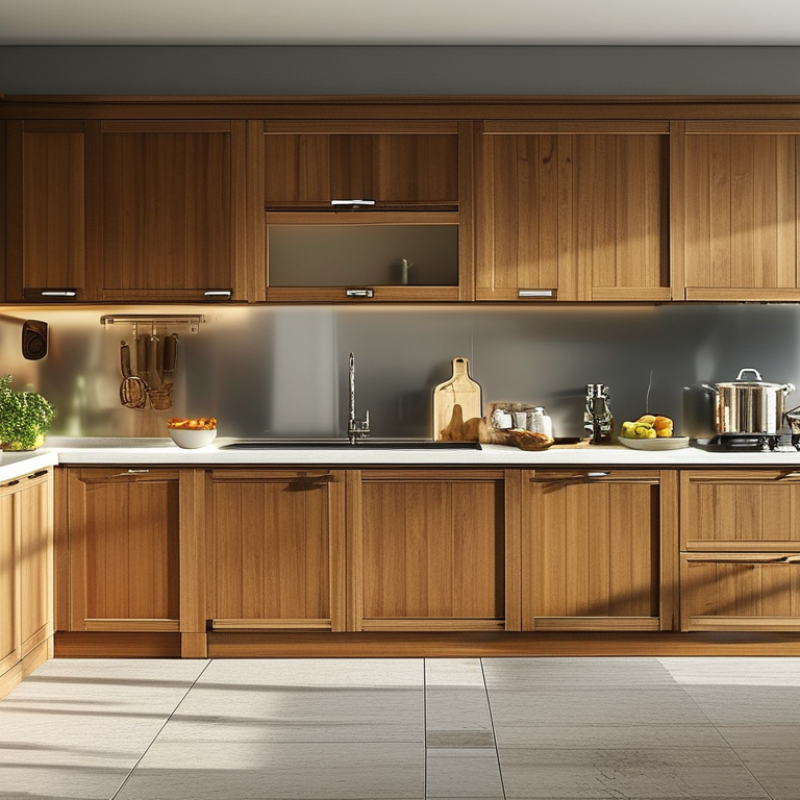
Choosing the right materials for kitchen cabinets can be daunting. With so many options available, homeowners often ask, "what are the best materials for kitchen cabinets?" Renowned kitchen designer, Sarah Smith, emphasizes, "The best materials combine functionality with style to enhance one's cooking space."
When selecting cabinet materials, it's crucial to consider durability and aesthetics. Wood, laminate, and metal each offer unique benefits. Solid hardwoods provide timeless elegance, while laminates offer a cost-effective, versatile option. However, one must reflect on the maintenance requirements and environmental impact of these choices.
Many people overlook the importance of this decision. Not every material suits every kitchen style or personal preference. It’s essential to do research and consider how each option aligns with your practical needs and design vision. Balancing beauty with functionality remains a challenge for many homeowners.
When choosing kitchen cabinets, it's essential to understand the various materials available. Each material offers unique benefits and challenges. You'll find options like solid wood, plywood, MDF, and laminate among the most common choices.
Solid wood provides durability and aesthetic appeal. However, it can be susceptible to warping with moisture changes. Plywood, on the other hand, is lighter and resistant to shrinking. A statistical report from the Cabinet Makers Association indicates that almost 45% of homeowners prefer plywood for its stability and affordability. MDF is smooth and perfect for painted finishes, but it lacks the same sturdiness as wood options. Laminate is budget-friendly and easy to maintain, although less durable over time.
**Tip:** Consider your kitchen's climate. In humid areas, plywood or laminate is a safer choice. Solid wood might require more maintenance.
Always inspect samples in person. Colors and textures can look different online. Take time to evaluate how each material fits your style and needs. Remember that while aesthetics matter, durability is key for long-term satisfaction.
| Material | Durability | Cost | Maintenance | Appearance |
|---|---|---|---|---|
| Plywood | High | $$$ | Low | Versatile |
| MDF (Medium Density Fiberboard) | Moderate | $$ | Moderate | Smooth |
| Particleboard | Low | $ | High | Basic |
| Solid Wood | Very High | $$$$ | Low | Rich |
| Laminate | Moderately High | $$ | Low | Various Finishes |
When selecting kitchen cabinets, material choice is crucial. The durability of cabinets largely depends on the materials used. Popular options include solid wood, plywood, and particleboard. Solid wood is durable but can warp over time. It requires careful maintenance to prevent moisture damage.
Plywood offers a balance of strength and resilience. It resists warping and is less susceptible to moisture. However, the quality can vary, so it’s essential to choose well-made options. Particleboard, although affordable, might not stand the test of time. It can chip and degrade with exposure to water.
Maintenance is another factor to consider. Solid wood needs regular sealing and occasional refinishing. Plywood typically requires minimal upkeep. Keeping cabinets clean is vital. A damp cloth can work wonders, but harsh chemicals can damage finishes.
When choosing kitchen cabinet materials, cost plays a vital role. Solid wood cabinets are durable but can range from $150 to $300 per linear foot. Plywood is a cost-effective alternative, typically priced between $100 and $200 per linear foot. This material offers good resistance to moisture, making it ideal for kitchens.
MDF, or medium-density fiberboard, sits at a lower price point, ranging from $50 to $150 per linear foot. It is versatile and often used for painted cabinets. However, its susceptibility to water damage can be a concern. Home renovation statistics suggest that homeowners increasingly favor engineered wood due to its aesthetic flexibility and lower cost, resulting in a growing market share.
Budget constraints often dictate material choices. While seeking affordability, it's essential to consider the long-term value. Cheaper materials may initially save money, but they can lead to more frequent replacements. A study by the National Kitchen and Bath Association indicates that quality materials contribute significantly to home value. In the end, balanced decisions can lead to a functional and stylish kitchen while staying within budget.
When selecting materials for kitchen cabinets, aesthetics play a crucial role. The choice of material profoundly impacts the overall design and feel of the space. Natural wood, for example, offers warmth and richness. Its grains and textures bring an earthy essence into the kitchen. However, wood can be prone to scratches and moisture damage. Needing periodic maintenance raises some concerns for homeowners.
Metal finishes, like stainless steel, deliver a sleek, modern look. They can brighten up the space and complement contemporary appliances. But, this material can appear cold and uninviting if not balanced with softer elements. Consider adding warmth with wooden accents or colorful accessories. Sustainable materials, such as bamboo, present an eco-friendly choice, marrying style with responsibility. Still, their durability compared to traditional materials may raise questions.
Color also impacts aesthetic appeal. Light colors can make small kitchens feel more spacious, while dark hues can provide drama and depth. Balancing color with texture is vital. But remember, trends change, and what seems appealing now may not hold up in the future. Choosing the right materials involves reflection on personal style and future needs. Each choice should blend beauty with functionality, creating a kitchen that is both inviting and practical.
When choosing materials for kitchen cabinets, it's vital to consider their environmental impact.
Plywood, a popular choice, is often made from renewable sources. However, not all plywood is created equal. Some manufacturers use formaldehyde in adhesives. This can release harmful VOCs into the air, negatively affecting indoor air quality. According to the EPA, approximately 8% of indoor air pollution comes from VOC emissions.
Solid wood cabinets are another option. They offer a natural aesthetic and durability. Yet, sourcing wood can contribute to deforestation. The Forest Stewardship Council (FSC)
suggests looking for certifications that ensure sustainable logging practices.
Reclaimed wood presents a greener alternative. It minimizes waste and reduces the demand for new materials.
Manufactured materials, like MDF, are commonly used. They are typically more affordable. However, their production may involve toxic chemicals. The Carbon Trust reports that MDF production generates
lower carbon emissions compared to solid wood. Balancing cost and sustainability proves challenging. Homeowners must weigh the benefits against the potential environmental consequences.
: Solid wood cabinets range from $150 to $300 per linear foot. They are durable but can be expensive.
Plywood is more cost-effective, usually priced between $100 and $200 per linear foot. It resists moisture well.
MDF cabinets are cheaper, costing $50 to $150 per linear foot. They are versatile but vulnerable to water damage.
Cheaper materials may save money at first. However, they can require frequent replacements, leading to higher long-term costs.
While plywood can be renewable, some use formaldehyde that emits harmful VOCs. This can harm indoor air quality.
Sourcing solid wood can contribute to deforestation. Certifications for sustainable logging are important to avoid this issue.
Reclaimed wood is an eco-friendly option. It reduces waste and lessens the need for new materials.
Homeowners often face trade-offs between lower costs and the environmental impacts of different materials. It's a complex decision.
MDF production uses toxic chemicals, but it generates lower carbon emissions than solid wood.
Homeowners need to balance affordability and long-term value with sustainability considerations when choosing materials.
When considering what are the best materials for kitchen cabinets, it's essential to explore various options available in the market. The main types of materials include solid wood, plywood, particleboard, and metal, each offering unique benefits and drawbacks. Durability and maintenance vary significantly among these materials, with solid wood being robust but requiring more upkeep, while particleboard offers lower maintenance at a reduced lifespan.
Cost is another critical factor, as materials like solid wood tend to be more expensive, whereas plywood and particleboard can accommodate tighter budgets. Aesthetic appeal also plays a crucial role; different materials lend themselves to various design styles, enhancing the overall look of the kitchen. Lastly, the environmental impact of kitchen cabinet materials should not be overlooked, as sustainable options are increasingly favored by eco-conscious homeowners. Selecting the right material involves balancing these considerations to achieve a beautiful, durable, and responsible kitchen.