Austin Home Austin Home

How to Choose the Ideal Height for Bathroom Vanities?

Time:2026-05-05 Author:Mason
0%

Choosing the right height for bathroom vanities is crucial for comfort and functionality. According to interior designer Sarah Johnson, "The ideal height for bathroom vanities greatly influences daily routines." When considering what is the ideal height for bathroom vanities, a variety of factors come into play, including user height and bathroom design.

Standard vanity heights usually range from 30 to 36 inches. However, what feels ideal can differ significantly among individuals. Taller people might prefer higher vanities, while shorter individuals may find lower ones more accessible. A good height should accommodate everyone in the household. It's important to consider how the height affects daily tasks, such as brushing teeth or applying makeup.

Many homeowners overlook this decision. They may choose a height based on trends rather than personal needs. Reflecting on your unique situation is vital. Testing various heights can lead to a more personalized choice. Ultimately, understanding what is the ideal height for bathroom vanities can enhance comfort and improve overall bathroom efficiency.
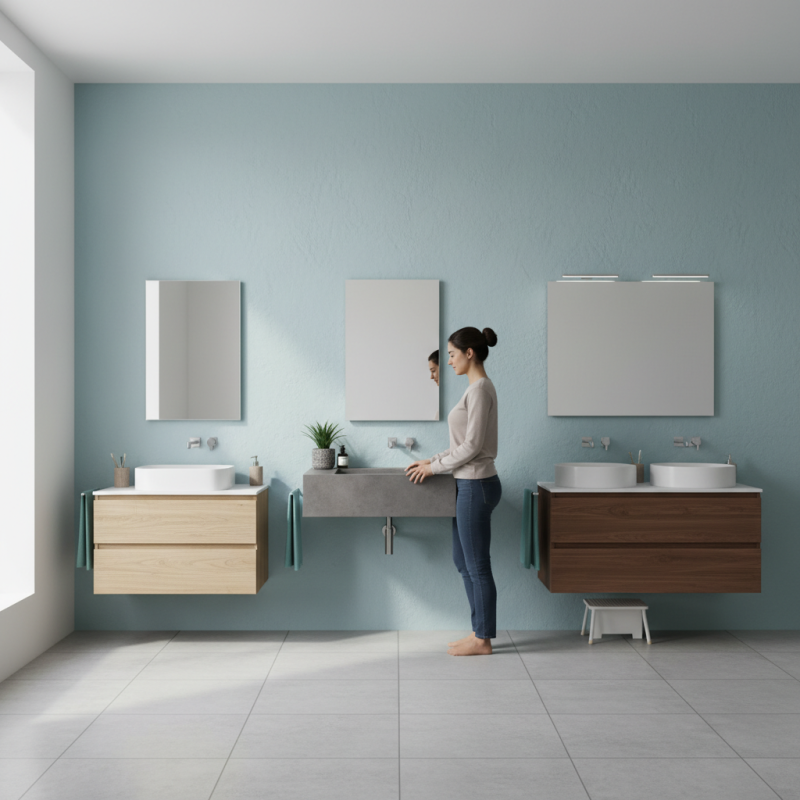
How to Choose the Ideal Height for Bathroom Vanities?

Understanding Standard Bathroom Vanity Heights

When selecting the ideal height for bathroom vanities, understanding standard measurements is essential. Typically, the standard height for vanities is 30 to 32 inches, suitable for most users. However, recent trends indicate a shift towards taller vanities, reaching 34 to 36 inches. According to a report by the National Kitchen and Bath Association, taller vanities complement modern user needs, especially with a growing trend of larger homeowners.

When considering your vanity height, keep in mind that comfort is key. If you are taller, a higher vanity may provide a more comfortable experience. Conversely, shorter individuals may struggle with standard heights. It’s wise to involve family members in the decision-making process to ensure everyone's needs are met.

Tips: Measure the height of the users in your household. This helps you select a height that suits everyone. Try different heights before finalizing your choice. You may find variations feel better than anticipated. Lastly, consider your plumbing location, as it could limit your options. These practical aspects can significantly impact overall satisfaction with your bathroom setup.

Factors Influencing Vanity Height Selection

Choosing the right height for bathroom vanities is essential for comfort. Different factors influence vanity height selection. A standard vanity height is typically 32 to 36 inches. However, this range may not fit everyone perfectly. According to the National Kitchen and Bath Association, 49% of homeowners prefer a height of 36 inches for comfort, especially for adults.

User height is a critical factor. Taller individuals may need a higher vanity, around 40 inches. Conversely, smaller users often benefit from lower vanities. A professional survey highlighted that 30% of users reported discomfort with standard height vanities. This indicates a need for customization based on individual requirements.

Also, consider the bathroom style. A modern, streamlined look may benefit from taller vanities. In contrast, traditional designs often favor shorter models. Aesthetic choices may sway some users away from comfort. Homeowners must reflect on their habits and needs before selecting a vanity height. Exploring flexibility can lead to improved bathroom experiences.

Measuring and Assessing User Comfort

When choosing the ideal height for bathroom vanities, user comfort is essential. The right height can significantly affect your daily routines. Standard vanity heights range from 30 to 36 inches. However, comfort varies among individuals. Consider how often you bend down or stretch to reach items.

Measuring and assessing user comfort involves more than just numbers. Have multiple users test different heights. Observe their posture and ease of access. If someone consistently hunches over or struggles to see into the mirror, the height may be too low or too high. Remember, comfort is subjective and should cater to the average user's needs.

Tips:
1. Use a measuring tape to gauge optimal height for your household.
2. Test different heights with a makeshift setup before installation.
3. Ensure that the vanity height aligns with the overall design of the bathroom space, considering factors like flooring and sink depth.

Ideal Height for Bathroom Vanities Based on User Comfort

Customizing Vanity Heights for Unique Needs

When customizing vanity heights, it’s essential to consider individual needs. People come in different sizes. What works for one may not fit another. Standard heights may not accommodate everyone comfortably. Taking measurements before installation can ensure a better fit.

Different tasks require different heights. If you spend a lot of time doing skincare, a lower vanity might work better. For tasks like hair styling, a taller vanity can prevent back strain. Additional features, like pull-out drawers, can provide easier access to tools.

Customizing vanity height may also consider the overall design of your bathroom. Taller vanities can create a modern look, while shorter ones can enhance a cozy feel. Think about the material and color too. A well-chosen vanity can significantly impact the bathroom’s ambiance. It’s also good to remember that choices may not suit every future homeowner. Balancing personal preference with future flexibility is key.

Tips for Achieving Aesthetically Pleasing Bathroom Design

When designing a bathroom, achieving a visually appealing space involves careful consideration of various elements, particularly the height of vanities. According to the National Kitchen and Bath Association (NKBA), 90% of designers recommend a vanity height of 30 to 36 inches for optimal use. This range accommodates a variety of user heights, promoting comfort and accessibility. However, many homeowners still struggle to find that ideal balance between style and functionality.

Incorporating personal touches is essential for a unique aesthetic. For instance, adjustable-height vanities can provide flexibility for multiple users. Visual interest can also be created through mixed materials. A wood base paired with a marble top conveys elegance while ensuring practicality. A survey by Houzz revealed that 70% of homeowners prefer two-tone cabinetry, emphasizing the shift towards personalized designs.

Yet, it’s important to reflect on your choices. A vanity too tall can be uncomfortable for shorter individuals, while one that is too low might lack visual appeal. Balancing height and style is critical for a cohesive look. A good design should adapt to the users' needs while maintaining a clean, elegant profile that complements the overall bathroom theme.

How to Choose the Ideal Height for Bathroom Vanities? - Tips for Achieving Aesthetically Pleasing Bathroom Design

Vanity Height (inches) User Height Range (feet) Recommended Vanity Type Style Considerations
30 < 5'0" Standard Height Traditional, Cottage
32 5'0" - 5'5" Comfort Height Contemporary, Modern
34 5'5" - 6'0" Taller Vanity Modern, Industrial
36 > 6'0" Custom Height Sleek, Minimalist

FAQS

: What is the standard height range for bathroom vanities?

: The standard height for vanities is typically 30 to 32 inches. Recent trends show an increase to 34 to 36 inches.

Why is comfort important when choosing vanity height?

Comfort is key. Taller users may prefer higher vanities, while shorter users might struggle with standard heights.

What should you consider when selecting a vanity height?

Measure the heights of household members. Involve them in the decision to meet everyone's needs.

How can I enhance the design of my bathroom?

Incorporate personal touches, like adjustable-height vanities or mixed materials for visual interest and elegance.

What is the preferred vanity height according to designers?

Ninety percent of designers recommend a height of 30 to 36 inches for comfort and accessibility.

How can I avoid design mistakes with my vanity?

Reflect on your choices. A vanity too tall may be uncomfortable, while one too low might not look appealing.

Why is it beneficial to try different vanity heights?

Trying varied heights might help you discover what feels comfortable. You may be surprised by your preferences.

What impact can plumbing location have on vanity selection?

Plumbing location can limit height options. Consider it early in the design process for a successful setup.

Is having two-tone cabinetry popular in bathroom design?

Yes, about 70% of homeowners prefer two-tone cabinetry, reflecting the trend towards more personalized styles.

What should a good bathroom design achieve?

A good design adapts to user needs while ensuring a cohesive and elegant bathroom theme.

Conclusion

Choosing the ideal height for bathroom vanities is crucial for both functionality and aesthetics in a bathroom design. Standard bathroom vanity heights typically range from 30 to 36 inches, but personal preferences and user comfort should steer these measurements. Factors like user height and the intended use of the vanity—whether for daily grooming or storage—play significant roles in determining what is the ideal height for bathroom vanities.

Measuring the space and assessing individual needs can further guide this decision, allowing for customization to meet unique requirements. Additionally, maintaining an aesthetically pleasing design is essential, ensuring that the vanity height complements the overall bathroom layout and enhances its visual appeal. By taking these elements into account, homeowners can create a comfortable and stylish bathroom environment.

Mason

Mason

Mason is a seasoned marketing professional with a deep expertise in the company's offerings and a passion for driving brand awareness. With a strong background in digital marketing strategies, he has an innate ability to connect with diverse audiences and effectively communicate product benefits.......