Austin Home
In the realm of furniture construction, common hinge and drawer slide issues often arise, causing frustration for many. According to expert John Smith, a renowned carpenter, “Understanding how to fix common hinges and drawer slides issues can save you time and money.” Properly functioning hinges and slides enhance the overall experience of using furniture, yet wear and tear can lead to problems.
Many homeowners encounter sticky drawers or squeaky hinges, which can disrupt daily routines. These issues often stem from misalignment or lack of lubrication. A simple fix might seem elusive if one lacks the right approach. The importance of knowing how to fix common hinges and drawer slides issues cannot be overstated. Tackling these problems can mean the difference between functional furniture and a source of annoyance.
Between glaring gaps and stubborn drawers, reflecting on what went wrong can help pinpoint the solution. Hardware wear can vary widely, and one might overlook the small details that contribute to larger malfunctions. Mastering these repairs requires patience and knowledge. By actively engaging with these challenges, one can regain control over their furniture and enhance its usability.
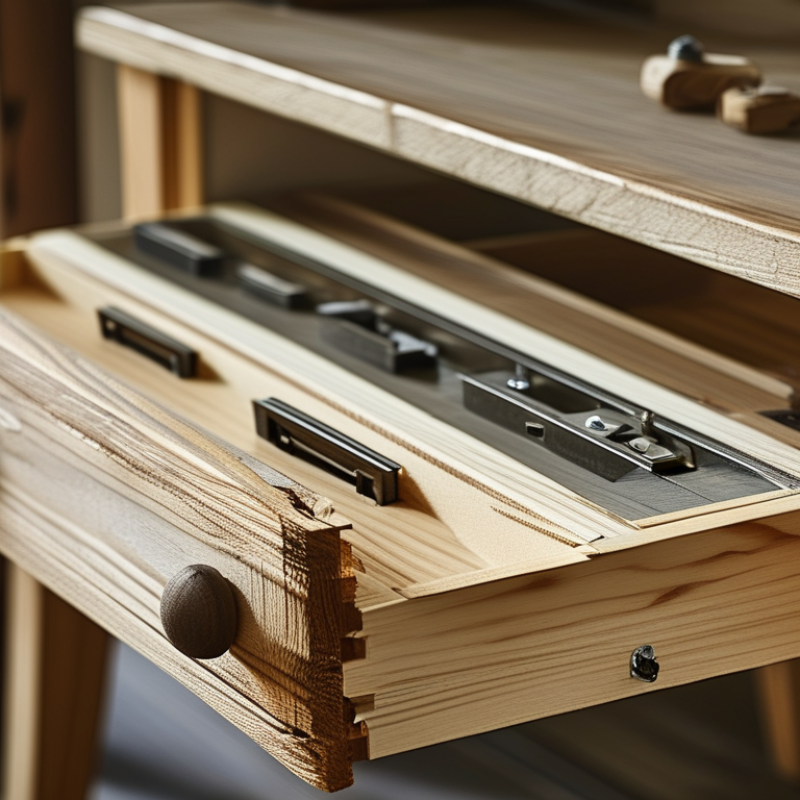
Hinges and drawer slides are essential components in furniture and cabinetry. Common issues often arise due to wear and tear over time. Misalignment, creaking, and sticking are frequent complaints. These problems can stem from several factors, including poor installation, humidity, and outdated hardware.
To address these concerns, regular maintenance is vital. Lubricate moving parts every few months. A silicone-based lubricant works best for hinges and slides. Additionally, ensure screws are tightened to prevent wobbling. Sometimes, simply realigning a misaligned hinge can resolve issues.
Inspect your hinges and slides regularly. Cracks or rust indicate it’s time to replace them. Frequent sticking could mean debris accumulation, so cleaning should be part of your routine. A clean, smooth surface allows for better functionality and extends the life of your hardware. Take time to reflect on your care habits; improving them can prevent future problems.
Understanding the mechanisms of hinges and drawer slides is essential for smooth functionality. Hinges allow doors to swing freely, while drawer slides enable easy access to stored items. Issues can arise due to wear and tear, misalignment, or dirt accumulation. Each component has a specific role, and understanding these roles helps in troubleshooting problems.
Tips: Regularly clean hinges and slides. Dirt can hinder movement. Lubricate the mechanisms to reduce friction. Ensure alignment by checking that screws are secure. Misaligned hinges can lead to increased wear and functional issues.
Sometimes, you may notice squeaking noises or sticking with drawer slides. These symptoms often indicate a need for maintenance. Inspect for signs of damage; a bent slide can cause frustrations. Consider replacing components if they no longer function correctly. Understanding these details allows for better care and prolonged life of your furniture mechanisms.
Common problems with hinges and drawer slides often stem from wear and tear. Over time, frequent use can loosen screws or damage components. This might lead to misalignment, causing doors to sag or drawers to stick. A clear sign of an issue is the resistance felt when opening or closing. If a drawer suddenly feels heavy, the slides may need cleaning or lubrication.
Another frequent problem is noisy operation. Squeaking or grinding sounds during movement are typical signs of insufficient lubrication. Dirt and debris can also accumulate in the tracks, making motion difficult. Regular cleaning can prevent this issue. It's essential to check the hardware periodically and keep everything dry and well-maintained.
Reflecting on these issues is important. Sometimes, we ignore minor problems until they escalate. A small misalignment can turn into a significant inconvenience. Regular checks and timely fixes make a substantial difference. This habit not only prolongs the life of your furniture but also enhances daily usability.
Common hinge and drawer slide issues are prevalent in households and offices. According to a recent industry report, about 30% of furniture complaints stem from hardware failures, particularly hinges and slides. Frequent problems include misalignment, squeaking, and difficulty in opening or closing. These issues often arise due to wear and tear or poor installation. In many cases, simple adjustments can resolve these problems effectively.
To tackle misaligned hinges, start by loosening the screws slightly. Adjust the hinge position until the door aligns properly. Tighten the screws after alignment. Squeaking noises often indicate insufficient lubrication. A silicone-based lubricant can be applied to the moving parts. It’s essential to avoid excessive grease, which can attract dust and worsen performance.
Drawer slides may stick due to debris accumulation or misalignment. Cleaning the tracks is crucial; a damp cloth can remove dirt effectively. For sticky slides, check for obstructions and adjust the alignment if necessary. If slides remain unresponsive, consider replacing them with upgraded options. Technology advancements in sliding mechanisms aim to improve functionality, but not all solutions are foolproof. Regular maintenance and simple fixes are often neglected yet critical for extending the life of hinges and drawer slides.
Common issues with hinges and drawer slides often arise from neglect and poor installation. To prevent these problems, start with regular inspection. Check for signs of wear, such as squeaking noises and misalignments. Keeping these components clean can extend their lifespan significantly. Simple maintenance efforts can help avoid costly repairs later.
Proper installation is crucial. Ensure that hinges and slides are leveled correctly. Misaligned parts may cause increased stress, leading to failure. Use quality screws that fit well. Under-tightening screws can lead to loose hinges and drawers that won't close properly. Over-tightening can strip the wood, causing more frustration.
If you find that your drawers stick or your doors don’t close smoothly, consider lubrication. A bit of silicone spray can work wonders in reducing friction. Regularly assess your usage patterns. Heavier items in drawers can strain the slides. Adjusting weight distribution may alleviate pressure on the hardware. Avoid shortcuts; a little attention goes a long way in maintaining functionality.
| Issue | Description | Preventive Measure | Suggested Tools |
|---|---|---|---|
| Loose Hinges | Hinges may become loose over time due to wear and tear. | Regularly check and tighten screws. | Screwdriver, lubricant |
| Sagging Doors | Doors that are too heavy may sag and misalign. | Use appropriate hinges for door weight; install additional hinges as needed. | Drill, level, additional hinges |
| Sticking Drawers | Drawers may stick due to misalignment or debris. | Ensure proper alignment and clean the slides regularly. | Cleaner, lubricant |
| Noisy Hinges | Hinges may creak or make noise due to lack of lubrication. | Regularly apply lubricant to all hinges. | Lubricant spray |
| Broken Slides | Drawer slides can break due to heavy loads or poor quality. | Choose quality slides suited for drawer load; avoid overloading. | New drawer slides, screwdriver |
: Common problems stem from wear and tear, leading to misalignment or loose components.
If you feel resistance when opening or closing, there might be an issue.
Noises like squeaking indicate insufficient lubrication or dirt in the tracks.
Regular cleaning and checking for wear can extend the lifespan of hinges and slides.
Ensure proper installation and use quality screws to keep components secure.
Consider using silicone spray for lubrication and check weight distribution.
Ignoring minor problems can lead to bigger inconveniences over time.
Over-tightening can strip the wood and lead to improper function.
Regular inspections help catch issues before they escalate into costly repairs.
Avoid shortcuts; they can lead to larger problems and reduced usability.
This article provides a comprehensive overview of common issues associated with hinges and drawer slides, highlighting their internal mechanisms to foster better understanding. It identifies prevalent problems, such as misalignment, sticking, and noise, which can disrupt functionality. Furthermore, the article presents step-by-step solutions for how to fix common hinges and drawer slides issues, equipping readers with practical skills for effective repairs.
To prevent future complications, the article emphasizes the importance of regular maintenance and proper installation techniques. By following the suggested preventive measures, users can ensure the longevity and smooth operation of their hinges and drawer slides, minimizing the likelihood of encountering similar issues down the road.
