Exploring the evolving landscape of smart home furniture reveals exciting innovations. Homeowners are seeking ways to enhance comfort and connectivity. With technology becoming more integrated, many wonder: what are the latest trends in smart home furniture?
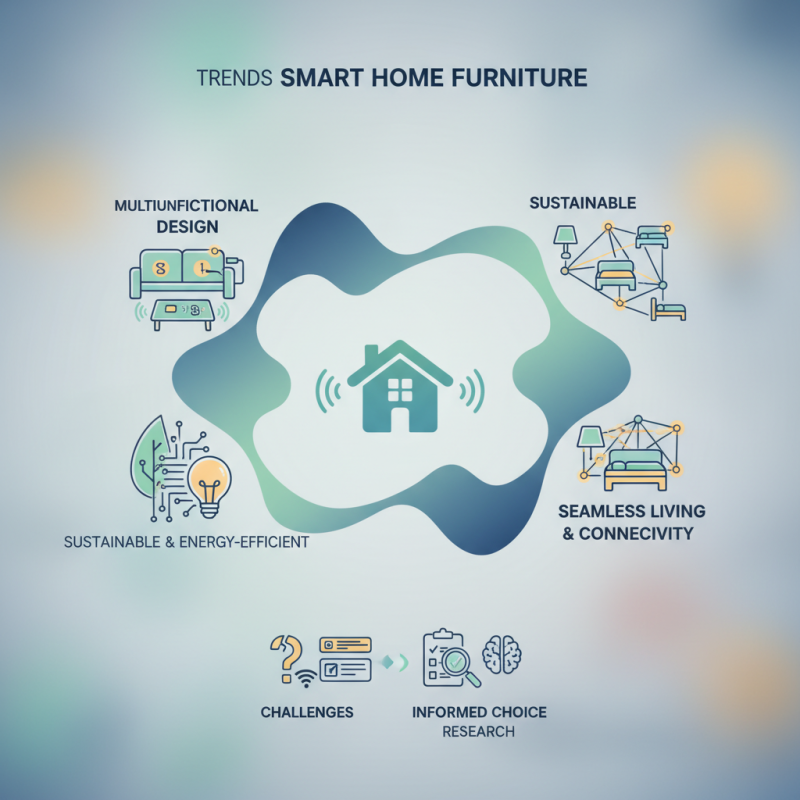
Recent developments include multifunctional pieces that adapt to diverse needs. For example, sofas now come with integrated charging ports. Smart tables may have touch screens or built-in speakers. These advancements create a seamless living experience. However, not every smart item functions as intended. Some products may lack user-friendly interfaces or reliable connectivity.
Consumer preferences are shifting as well. Sustainable materials and energy-efficient designs are in demand. Yet, navigating these choices can be overwhelming. Buyers often face challenges in selecting quality smart furniture that fits their lifestyle. Careful research can help in making informed decisions.
Understanding Smart Home Furniture: A Comprehensive Overview
Smart home furniture stands at the intersection of technology and design. It includes items designed to enhance comfort and convenience. These innovations make everyday life easier, integrating features like smart controls and automation. Imagine a coffee table that can charge your devices or a sofa that adjusts its position based on your preference. This is now a reality.
Understanding smart home furniture means exploring a range of functionalities. Many pieces can connect to other devices, creating a seamless living environment. However, the technology isn’t flawless. Connectivity issues can arise, leading to frustration. You may also find that not every gadget meets expectations in terms of ease of use or durability. Despite these challenges, the ongoing evolution in design continues to capture interest.
The growing trend reflects a broader move towards home automation. As more consumers experience these technologies, demand is rising. Yet, potential buyers need to weigh practicality against novelty. Investing in smart furniture can be tempting, but it’s crucial to assess real-life benefits. These choices impact not only your space but also your daily routine. Understanding these elements can help you make informed decisions in your smart home journey.
Identifying Key Retailers and Brands in Smart Home Furniture
In exploring the smart home furniture landscape, it's crucial to identify key retailers and brands that shape this evolving market. Many retailers are focusing on merging technology with sustainable design, creating pieces that are both functional and eco-friendly. Some brands prioritize user-friendly interfaces, making it easier for consumers to integrate technology into their living spaces. For example, smart coffee tables with built-in wireless charging and USB ports are becoming popular.
Visiting local showrooms can provide valuable insights into current offerings. Here, shoppers can experience the comfort and functionality of smart pieces firsthand. Keep an eye out for innovative items, such as adjustable sofas that can change shape with a simple command. Social media platforms are also excellent for discovering trends, with users sharing their smart home setups and products. However, be cautious when relying solely on online reviews. Some may not provide an accurate picture of the product's actual performance.
While traditional furniture stores are adapting to include smart options, specialized retailers are emerging as key players. They often have a more extensive selection of unique designs tailored for tech-savvy consumers. This creates a fascinating blend of style and innovation in the home environment. Yet, not all products might meet consumers' expectations, leading to a mix of satisfaction and disappointment. Exploring different sources and gathering diverse opinions is essential before making a purchase.
Exploring Technological Innovations Driving Smart Furniture Trends
The world of smart furniture is rapidly evolving.
Technological innovations are at the forefront, driving trends that blend design with functionality. From
app-controlled lighting to self-adjusting desks, the integration of technology shapes daily living.
These advancements not only enhance convenience but also promote well-being in smart homes.
Tips for discovering the latest smart furniture trends include attending home and tech expos.
These events showcase cutting-edge designs and ideas. Networking with designers and tech enthusiasts helps you
stay informed. Follow design blogs and social media channels focused on interior innovations.
They often post about emerging trends and products, making them reliable resources.
It’s important to reflect on the balance between technology and traditional design.
Some may feel overwhelmed by excessive tech integration. This discomfort can serve as a reminder to
maintain a personal touch in your living spaces. Smart furniture should enhance,
not overpower, your home's character. Seek pieces that resonate with your aesthetic while still offering
modern conveniences.
Analyzing Consumer Preferences and Market Demands in Smart Furniture
Understanding consumer preferences in smart home furniture is crucial for designers and brands. People are increasingly looking for functionality paired with style. Smart furniture must fit seamlessly into their lifestyles. Many consumers value environmental sustainability. They prefer products made with eco-friendly materials. A growing number prioritize technology that enhances comfort and convenience.
Market demands are shifting rapidly. Consumers want furniture that can connect with other smart devices. Integration with personal assistants is becoming a significant factor. However, not every consumer is excited about the complexity that can come with smart furniture. Some find technology overwhelming. Furniture designers must balance innovation with simplicity.
Feedback from users highlights important trends. Many people appreciate versatile furniture that can adapt. They want pieces that serve multiple purposes, saving space and money. Yet, some consumers remain hesitant about investing in new tech. They question durability and usability. Learning from these insights can help create better products that truly meet consumer needs.
How to Discover the Latest Trends in Smart Home Furniture? - Analyzing Consumer Preferences and Market Demands in Smart Furniture
| Category |
Feature |
Consumer Preference (%) |
Market Demand (%) |
| Smart Sofas |
Built-in Charging Ports |
40% |
35% |
| Smart Tables |
Voice Control |
28% |
30% |
| Smart Beds |
Sleep Tracking |
45% |
40% |
| Smart Lighting |
App Control |
54% |
50% |
| Smart Entertainment Centers |
Integrated Speakers |
33% |
25% |
Utilizing Online Resources and Platforms for Trend Discovery in Smart Furniture
In the ever-evolving world of smart home furniture, online resources are essential for trend discovery. Platforms like design blogs, social media, and industry forums provide insights into the latest innovations. According to a report by Statista, the smart furniture market is projected to reach $120 billion by 2025. This growth indicates increasing consumer interest and acceptance of smart technologies in home design.
Social media platforms, especially Instagram and Pinterest, showcase real-time trends. Users often post their homes equipped with innovative furniture, generating discussions around aesthetics and functionality. Even Reddit forums discuss smart furniture, offering varied opinions on usability and design. It’s crucial to sift through these opinions critically, as not every trend caters to everyone’s needs.
Webinars and online conferences are also valuable. Industry experts share research and provide forecasts. A recent survey from the International Furniture Fair indicated that 57% of consumers prioritize functionality in smart furniture. Yet, some designs still lack user-friendliness. These discrepancies can inform better product development. Engaging with these online resources ensures awareness of trends and fosters informed decisions.
FAQS
: Focus on functionality and eco-friendly designs. Ensure they meet your needs.
Use social media, design blogs, and industry forums to discover popular items and styles.
Not always. Some reviews may not accurately reflect product performance.
Showrooms let you experience comfort and functionality first-hand. Feel the differences directly.
Adjustable sofas and smart coffee tables with charging ports are very popular among consumers.
Yes, specialized retailers offer unique designs tailored for tech-savvy users but check reviews carefully.
They provide insights from experts about trends and consumer priorities in smart furniture.
No, some designs might confuse users, impacting their overall experience. It's important to research.
A recent survey indicated that 57% of consumers value functionality most in smart designs.
Engage with diverse sources to gather opinions and conduct thorough research before buying.
Conclusion
In recent years, the landscape of smart home furniture has evolved significantly, prompting the question: what are the latest trends in smart home furniture? This article provides a comprehensive overview of how smart furniture integrates technology into everyday living spaces, enhancing convenience and functionality. Key retailers and brands are emerging, offering innovative pieces that cater to modern consumer demands for connectivity and efficiency.
Technological advancements are at the forefront of driving these trends, with features such as automated adjustments, integrated charging stations, and voice-activated controls becoming increasingly common. By analyzing consumer preferences, we see a growing demand for customizable and sustainable furniture solutions. Utilizing online resources and platforms can further aid in discovering these trends, allowing consumers to stay informed and make educated choices in this evolving market.
 Austin Home
