Austin Home
Cleaning kitchen cabinets can feel like a daunting task. According to a recent study by the American Cleaning Institute, 67% of homeowners struggle with grease buildup in their kitchens. This grease accumulates over time, affecting both the appearance and hygiene of your kitchen. Understanding how to clean kitchen cabinet grease effectively is essential for maintaining a healthy cooking environment.
Experts suggest that regular maintenance can prevent stubborn grease buildup. A quick wipe down with suitable cleaning agents can make a significant difference. Yet, many people often overlook this crucial task. Choosing the right products and techniques is vital. Research shows that using natural ingredients can be both effective and safe for the surfaces you clean.
While the methods may vary, the importance of being thorough remains. Skipping steps can lead to recurring problems. Failing to clean grease properly may not only harm your cabinets but can also result in fire hazards. By equipping yourself with the right knowledge, you can transform your kitchen. Ultimately, a cleaner kitchen contributes to a healthier home.
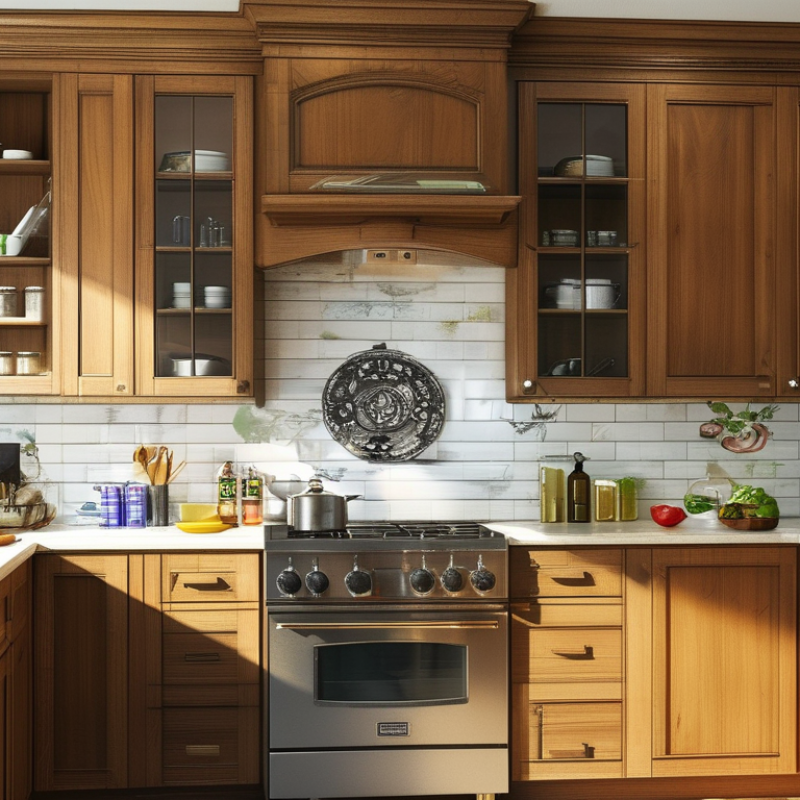
Kitchen cabinet grease is a common issue in many homes. It often accumulates from cooking activities and the use of oils. Over time, this buildup can lead to unsightly stains and even health concerns. For those who cook frequently, it is important to recognize that grease can harbor bacteria and dust, making regular cleaning essential. Ignoring this buildup not only affects aesthetics but also compromises hygiene in the kitchen.
Understanding the causes of grease accumulation can help in tackling the problem effectively. Cooking methods like frying or grilling can release vapors that condense on surfaces. A poorly ventilated kitchen exacerbates this issue, allowing grease to settle on cabinets. The longer grease remains, the harder it can be to clean. This realization can encourage more consistent cleaning habits and proactive maintenance. While many may struggle to keep their kitchens pristine, acknowledging the reality of grease can drive better practices.
| Tip Number | Cleaning Tip | Expected Time (minutes) | Effectiveness Rating (1-5) |
|---|---|---|---|
| 1 | Use a Degreaser Spray | 10 | 5 |
| 2 | Baking Soda Paste | 15 | 4 |
| 3 | Vinegar and Water Solution | 10 | 5 |
| 4 | Steam Cleaning | 20 | 5 |
| 5 | Commercial Kitchen Cleaner | 5 | 4 |
| 6 | Olive Oil for Wood Cabinets | 15 | 3 |
| 7 | Dish Soap and Hot Water | 10 | 4 |
| 8 | Lemon Juice for Odors | 5 | 3 |
| 9 | Regular Maintenance Wipes | 5 | 4 |
| 10 | Involve Kids for Fun | 30 | 3 |
Cleaning kitchen cabinet grease can be a daunting task. The right tools can make a significant difference. Essential items include degreasing solutions, microfiber cloths, and scrubbing pads. According to a study from the American Cleaning Institute, effective cleaning tools can remove up to 90% of accumulated grease. This statistic highlights the importance of using appropriate supplies for optimal results.
Microfiber cloths are particularly effective. They can capture dirt and grease without scratching surfaces. Scrubbing pads work well on stubborn spots. It’s crucial to have a mix of soft and abrasive materials for various tasks. A study published in the Journal of Environmentally Friendly Cleaning suggested that using two different textures can cut cleaning time by 30%. A good degreaser will tackle built-up grime efficiently.
Many households overlook these essentials. Sometimes, improvisation leads to ineffective results. Relying solely on water and dish soap can leave residues behind. For serious grease issues, specialized cleaning solutions are necessary. Not all cleaning products are created equal. Some are more effective on specific surfaces. Always check compatibility to avoid damage. Keep these considerations in mind while stocking up on cleaning supplies.
Cleaning your kitchen can feel overwhelming, especially when grease clings stubbornly to cabinets. Let's focus on preparing your kitchen effectively before diving into the cleaning process. Research indicates that a clean kitchen can improve overall health and safety, with a study revealing that 60% of kitchen-related accidents are linked to untidy spaces. This highlights the importance of creating a clean environment before tackling the grime.
Begin by clearing surfaces. Remove all items from cabinets and countertops, which allows for a thorough inspection of all areas. This step often uncovers forgotten items that can clutter your space. Next, gather the necessary supplies. Industry reports suggest that mixed cleaning agents should be avoided as they can create harmful reactions. Stick to basic, safe ingredients like vinegar and baking soda. These are effective alternatives and they support a healthier home environment.
Once you've prepped your kitchen, take a moment to assess the situation. Some grease buildup may require special attention, while others could just need a good scrub. Consider your methods. Are you relying on store-bought products without considering the environmental impact? Reflecting on this might lead to better choices. Cleaning shouldn’t just be about appearance; it should contribute to a functional and safe cooking space.
Cleaning kitchen cabinet grease can be a daunting task, but with the right techniques, it can be fast and efficient. Start by mixing equal parts of vinegar and water in a spray bottle. This solution effectively cuts through grease without harsh chemicals. Spray the mixture directly on the greasy surfaces and allow it to sit for a few minutes. Use a soft cloth or sponge to wipe away the grime. This method is not only simple but also safe for various cabinet materials.
For tougher spots, a paste made from baking soda and water can be helpful. Apply the paste directly to the grease stains and let it sit for about fifteen minutes. Scrub gently with a non-abrasive scrubber. Be cautious, as scrubbing too hard might leave scratches. Reflect on the condition of your cabinets. If they’re frequently greasy, consider why that’s happening. Are you cooking without proper ventilation? Adjusting your cooking habits can reduce grease buildup.
Sometimes, despite our best efforts, grease can linger. In such cases, repeating the process may be necessary. Keep testing different combinations until you find what works best for you. It’s a process that requires a bit of patience, but with consistent effort, you’ll see progress.
Keeping kitchen cabinets grease-free can be a challenge, especially in busy households. One effective preventive measure is to maintain a regular cleaning schedule. Wipe down the cabinets weekly with a damp cloth. This simple task can prevent grease from building up. Surprisingly, many overlook this step, leading to a much more difficult cleaning process down the line.
Another way to combat grease accumulation is by using splatter screens when cooking. These tools are relatively inexpensive and can significantly reduce the amount of grease that settles on your cabinets. Additionally, consider covering pots while cooking. This small change can prevent grease from escaping and settling on surfaces. You might find it helpful to get into the habit of checking the cooking area after each meal. This practice can help identify potential grease spots before they become a serious issue.
Lastly, ensure proper ventilation while cooking. Turn on exhaust fans to minimize smoke and grease in the air. Open windows when weather permits. Many people forget to do this but find that it makes a noticeable difference. Reflecting on your cooking habits can reveal areas for improvement. Small adjustments can lead to cleaner cabinets and a fresher kitchen environment.
This chart displays the percentage effectiveness of various cleaning methods for kitchen cabinet grease removal based on user surveys.
: Key tools include degreasing solutions, microfiber cloths, and scrubbing pads. These can make a big difference.
Microfiber cloths capture dirt and grease without scratching surfaces. They are gentle yet effective.
Relying on just water and dish soap may leave residues. This can make grease harder to remove.
Try a paste of baking soda and water. Let it sit for 15 minutes, then scrub gently with a soft pad.
Reflect on your cooking habits. Ensure proper ventilation to reduce grease accumulation on cabinets.
Yes, mixing equal parts vinegar and water is effective. Spray it on surfaces and wipe after a few minutes.
If grease lingers, you may need to repeat the cleaning process. Patience is key for better results.
Not all products are compatible with every surface. Always check to avoid damaging your cabinets.
Yes, using a mix of soft and abrasive materials can improve efficiency. Two textures can cut cleaning time significantly.
Keep testing different methods until you discover what works best for you. It's a personal trial-and-error process.
Cleaning kitchen cabinet grease can be a daunting task, but understanding its causes and impacts is the first step to tackling the issue effectively. The key to how to clean kitchen cabinet grease effectively lies in having the right tools and supplies. Essential items include degreasers, microfiber cloths, and sponges.
A well-prepared kitchen space sets the stage for efficient cleaning. Following a step-by-step guide can simplify the process, ensuring that every greasy spot is addressed through proven techniques. Additionally, implementing preventive measures post-cleaning will keep your cabinets grease-free for longer, making kitchen maintenance a breeze. With these tips, anyone can transform their kitchen cabinets from greasy to gleaming in no time.
