Austin Home Austin Home

How to Fix Common Hinge and Drawer Slide Issues

Time:2026-11-25 Author:Sienna
0%

A cabinet door that drifts open or a drawer that catches halfway can turn a small annoyance into a daily frustration. Often, the cause is simple: a loose hinge screw, a misaligned door, dust inside a slide, or a worn part. The challenge is telling these problems apart. A crooked door may come from uneven mounting, while a stiff drawer might be overloaded rather than broken. Small clues matter. Look for rubbing marks, uneven gaps, wobbling hardware, and a drawer that tilts when pulled. These details help guide a repair instead of encouraging guesswork.

This guide explains how to fix common hinges and drawer slides issues with practical checks and careful adjustments. You will learn how to tighten and align hinges, clean slide tracks, check mounting screws, and recognize when replacement is more sensible than another adjustment. Use the correct screwdriver, support a heavy door or drawer, and follow the hardware maker’s instructions when available. Avoid forcing parts or overtightening screws; that can strip holes or distort the alignment. Not every fix lasts. Sometimes, a damaged slide or weakened screw hole needs more than a quick turn. Pause and reassess if the door remains uneven or the drawer still binds after basic checks. A patient inspection can save time, protect the cabinet, and make the repair safer and more reliable.
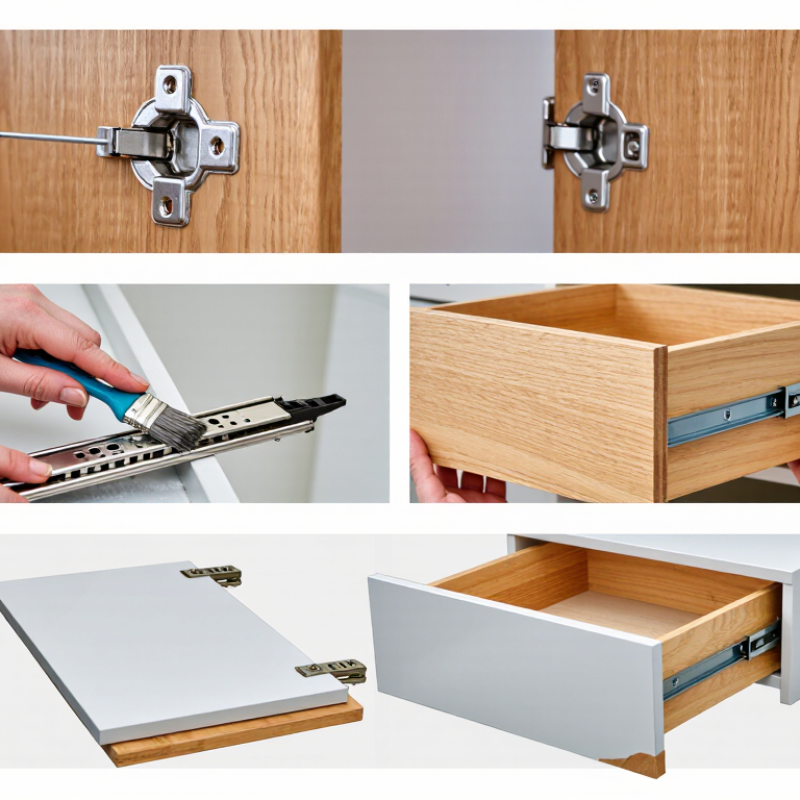
How to Fix Common Hinge and Drawer Slide Issues

Identify the Hinge or Drawer Slide Problem

A sagging door and a stubborn drawer can look like the same problem, but their clues differ. Check the hinge first: a door that rubs at the top or leaves an uneven gap may have loose screws, a shifted mounting plate, or a bent hinge arm. Open it slowly and watch each hinge. Movement at the screw is different from movement at the joint. For drawers, note whether resistance starts immediately or only near full extension. A scraping sound on one side often points to a misaligned slide; a drawer that drops when extended may indicate a loose fastener or damaged slide.

The ANSI/BHMA A156.9 cabinet-hardware standard evaluates hardware for cycle durability, load capacity, and corrosion resistance. These three test areas offer a useful framework, but they cannot diagnose a fitting already installed in a cabinet. Check both slides for matching height and parallel alignment, then inspect screws and mounting holes. Measure the gap on both sides of a closed door; even a few millimeters of difference can reveal a shift. Don’t assume the hardware is faulty: a swollen cabinet side or an overloaded drawer can imitate slide failure. I’ve seen this mistaken before. Record what moves, where it catches, and whether the problem changes under load. Those details make the diagnosis more reliable.

How to Fix Common Hinge and Drawer Slide Issues

Identify the Hinge or Drawer Slide Problem

These example measurements show the gap at several points on a cabinet door and drawer front. A gap that changes noticeably from one point to another can indicate misalignment: check hinge adjustment and mounting screws on a door, or slide alignment and mounting screws on a drawer. Measurements are illustrative, not manufacturer specifications; compare gaps across your own cabinet.

Gather the Tools and Prepare the Work Area

Before adjusting a hinge or drawer slide, clear the cabinet or desk and remove everything from the drawer. Lay a towel or piece of cardboard beneath the work area to catch screws and protect the floor. Gather a screwdriver with a tip that fits the screw heads, a small level, a flashlight, and a cup for loose hardware. Keep a pencil nearby for marking positions. A cordless drill can save time, but use a low setting to avoid stripping older screws.

Good preparation prevents small repairs from becoming frustrating. Take a clear photo of the hinge or slide before removing anything; it can help you remember how the parts fit. Check whether the drawer needs support before loosening a slide, and ask someone to steady it if it feels heavy. Wear safety glasses, especially when looking upward beneath a cabinet. I have sometimes skipped the photo and regretted it. It’s easy to mix up similar screws. Inspect the hardware for bent metal, loose mounting holes, or damaged wood before making adjustments. If a screw resists, stop and check the bit and alignment rather than forcing it. A little patience here can prevent a larger repair.

Repair Loose or Misaligned Cabinet Hinges

How to Fix Common Hinge and Drawer Slide Issues

Repair Loose or Misaligned Cabinet Hinges

A cabinet door that rubs its frame or hangs unevenly usually has a loose screw or shifted hinge. Open the door and check each screw, including those on the cabinet-side mounting plate. Support the door while tightening them. A heavy door can drop suddenly. Don’t force a screw that keeps turning; the hole may be worn.

For a small alignment problem, adjust the hinge gradually. Many concealed hinges have screws that move the door sideways or in and out. Turn one screw a quarter-turn, close the door, and check the gap against nearby doors. Small changes are easier to track. I’ve found that adjusting every hinge at once often makes the cause harder to spot.

If a screw hole is stripped, remove the screw and inspect the wood. A snug wooden plug or dowel, secured with wood glue and allowed to dry fully, can give the screw fresh material to grip. Then reinstall the screw without overtightening. This repair is not perfect for every cabinet; cracked or swollen wood may need a different fix. If the hinge plate is bent or the door remains unstable, stop adjusting and replace damaged parts or ask a qualified repair person to inspect it.

Fix Sticking, Noisy, or Uneven Drawer Slides

Sticking drawer slides often start with a simple problem: crumbs, dust, or a loose screw in the cabinet. Pull the drawer out and check both tracks with a flashlight. Wipe away grit with a dry cloth, then look for bent metal, damaged rollers, or screws that sit proud of the rail. Do not force it. Forcing a jam can bend a track or loosen its mounting.

If the drawer feels rough or sounds squeaky, check that both slides are firmly attached and parallel. Tighten loose screws gently; overtightening can strip the wood. A small amount of lubricant may help, but use one suited to the slide material and follow its directions. Greasy products can collect dust, so more is not always better. Small changes matter.

An uneven drawer may point to slides mounted at different heights or a cabinet that is out of square. Compare the left and right rails with a level, and check that the drawer sits evenly in its opening. Adjust one mounting screw at a time, then test the drawer through its full travel. Some slide designs release differently, so consult the fitting instructions before removing the drawer. If a rail is visibly bent or a roller is cracked, adjustment may not solve the problem; replacement is usually the more reliable repair.

Test the Repair and Prevent Future Issues

After adjusting a hinge, open and close the door slowly several times. Check that its edges stay even and that it does not scrape the frame. Listen for clicks or rubbing. A repair can look right and still be off by a few millimeters. Make small adjustments, then test again instead of turning every screw at once.

For drawer slides, move the empty drawer in and out before adding weight. It should travel smoothly without tipping or catching. Add a few everyday items and repeat the test. Keep the drawer supported; forcing a jam can bend a slide or pull out its fasteners. If movement remains rough, inspect both rails for debris, loose screws, or misalignment. Sometimes the original holes are worn, and tightening harder is not the answer.

Prevent repeat problems by keeping screws snug, not overtightened, and wiping dust from slide tracks with a dry cloth. Check hinge and slide fasteners after regular use, especially on heavily used cabinets. Avoid leaning on open doors or overloading drawers. Small habits help. I still find that a door may need one more adjustment after testing, so leave time for a final check with the cabinet fully closed.

FAQS

How can I tell whether a cabinet door hinge is causing the problem?

Look for rubbing at the top or an uneven gap. Open the door slowly and watch each hinge for movement.

What clues suggest a drawer slide is misaligned?

Scraping on one side often points to misalignment. Check whether both slides sit at matching heights and run parallel.

Why does a drawer drop when fully extended?

A loose fastener or damaged slide may cause it. Check the screws and support the drawer before loosening anything.

Can something besides faulty hardware make a drawer stick?

Yes. A swollen cabinet side or overloaded drawer can imitate slide failure. Check those before replacing parts.

What tools should I prepare for a small adjustment?

Use a correctly sized screwdriver, small level, flashlight, pencil, and cup for screws. A towel protects the floor.

Why take a photo before removing a hinge or slide?

A clear photo helps you remember how the parts fit. I once skipped this step and mixed up similar screws.

How can I check whether a door has shifted?

Measure the gap on both sides when the door is closed. Even a few millimeters can reveal a shift.

What should I do if a screw resists turning?

Stop. Check the screwdriver tip and alignment instead of forcing it. Forcing an older screw can strip it.

Conclusion

This guide explains how to fix common hinges and drawer slides issues by starting with a careful diagnosis. Check whether a cabinet door is loose, crooked, or difficult to close, and notice whether a drawer sticks, makes noise, or sits unevenly. Once you identify the problem, clear the work area and gather basic tools such as a screwdriver, a level, and a soft cloth. Support doors or drawers as needed, and avoid forcing parts that do not move smoothly.

For loose or misaligned hinges, tighten the screws and make small adjustments until the door sits evenly. For sticking or noisy drawer slides, inspect for dirt, loose fasteners, or misalignment, then clean and secure the slides. Test the repair by opening and closing the door or drawer several times. Regularly checking screws, keeping tracks clean, and addressing small changes early can help prevent recurring problems.

Sienna

Sienna

Sienna is a skilled marketing professional with a deep expertise in our company’s core products and services. With a passion for innovation and detail, she plays a pivotal role in crafting insightful blog posts that not only highlight the unique features of our offerings but also provide valuable......