 Austin Home
Austin Home
Austin Home
When considering furniture purchases, many people overlook an essential question: "why does high quality furniture save money long term?" Expert interior designer Laura Davis believes that investing in durable pieces is key. She states, "High quality furniture pays for itself over time through longevity and less frequent replacements."
High quality furniture often features stronger materials and better craftsmanship. This makes it less prone to damage compared to cheaper alternatives. Over time, this resilience can lead to significant savings. Frequent replacements of low-quality furniture add up, costing more in the long run. Imagine a sofa that needs replacing every few years versus one that lasts decades.
Moreover, high quality items often maintain their value better. They can even be resold at a fair price. While the initial investment may be higher, the financial return over time justifies the cost. Often, cheaper furniture comes with hidden expenses like repairs or replacements that aren't immediately obvious. In the end, opting for quality can lead to a more sustainable and cost-effective approach to furnishing your home.
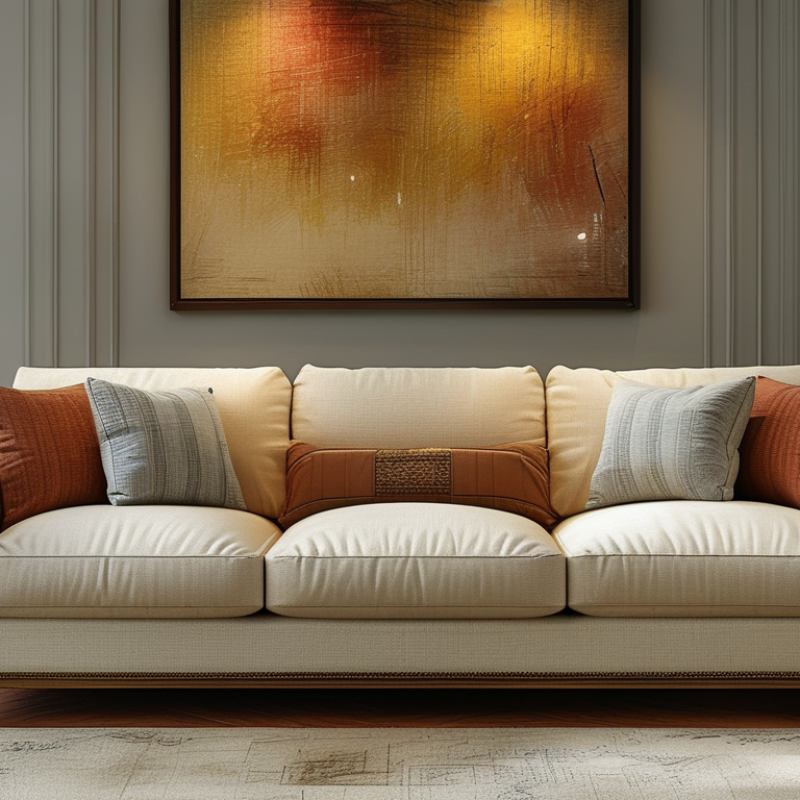
Investing in high-quality furniture is a smart decision for both comfort and cost-saving. These pieces are often made from superior materials, ensuring durability and longevity. When you buy quality, you reduce the frequency of replacements. Cheaper furniture tends to wear out quickly, leading to repeated purchases. This cycle can add up and strain your budget over time.
Quality furniture also enhances your living space. A well-crafted piece can elevate a room's aesthetic, creating a welcoming environment. When your home feels comfortable, it promotes relaxation. This can improve your overall well-being and productivity. Additionally, many high-quality items maintain their value. They can be resold at a reasonable price when it's time for an upgrade.
There is a certain peace of mind that comes with investing in durable items. However, it can be tempting to choose cheaper options when on a budget. Reflecting on the long-term benefits can help. Quality furniture offers reliability, beauty, and comfort that cheaper alternatives often lack. Investing wisely means better spaces and savings in the future.
| Reason | Long-Term Benefit | Cost Savings |
|---|---|---|
| Durability | Lasts longer than cheaper alternatives | Reduces need for replacements |
| Warranty | Comes with better warranty options | Lower repair costs |
| Quality Materials | Less wear and tear over time | Saves on material replacement costs |
| Timeless Design | Matches different decor styles | Avoids frequent purchases |
| Health Benefits | Better ergonomics | Fewer health-related costs |
| Customization Options | Fits specific needs | Avoids mismatched purchases |
| Value Retention | Higher resale value | Recoups investment |
| Sustainable Production | Environmentally friendly | Potential tax incentives |
| High-Quality Craftsmanship | Superior build quality | Reduced maintenance costs |
| Better Customer Support | Responsive service | Fewer service-related expenses |
: High-quality furniture can increase home value by up to 15%. Durable, attractive pieces appeal to buyers and enhance perceived value.
Well-made furniture typically lasts over 20 years. Cheaper options might only last 5-10 years, leading to more costly replacements.
Quality materials resist wear and tear better. This durability means fewer repairs and replacements, ultimately saving you money.
Use mild cleaners and dust regularly. Protect surfaces with coasters and placemats to prolong the life of your furniture.
Yes, consider that cheaper furniture needs replacing regularly. The long-term cost of poor quality can be higher than initial investments.
Comfortable furniture improves quality of life. Ergonomic designs reduce fatigue and strain, promoting better health and potentially lowering medical bills.
Functional pieces save space and adapt to various needs. Multi-functional furniture can cut furnishing costs by up to 30%.
Reflecting can reveal missed opportunities for comfort and functionality. Better choices today can lead to improved financial health tomorrow.
Yes, choose styles that match trends and personal taste. Overstuffed chairs might not appeal to minimalistic buyers, for example.
Aesthetic appeal creates an inviting atmosphere. Beautifully crafted pieces suggest care and increase overall home value to potential buyers.
Investing in high-quality furniture offers several advantages that contribute to long-term financial savings. One of the primary reasons why does high quality furniture save money long term is due to its durability and longevity. Well-made pieces withstand wear and tear better, reducing the need for frequent replacements. Moreover, high-quality furnishings enhance the overall value of your home, making it an attractive asset should you decide to sell.
Additionally, premium materials often come with lower maintenance costs, as they tend to be more resistant to damage and require less frequent repairs. This investment in comfort and functionality also improves your everyday living experience, leading to greater satisfaction. Ultimately, the benefits of investing in high-quality furniture go beyond aesthetics, providing significant economic advantages over time.
