Austin Home
Creating hidden storage in your living room can transform your space. Expert designer Sarah Thompson once said, “Effective storage solutions can enhance both functionality and aesthetics.” Many homeowners struggle with clutter. Finding ways to integrate storage while maintaining style is crucial.
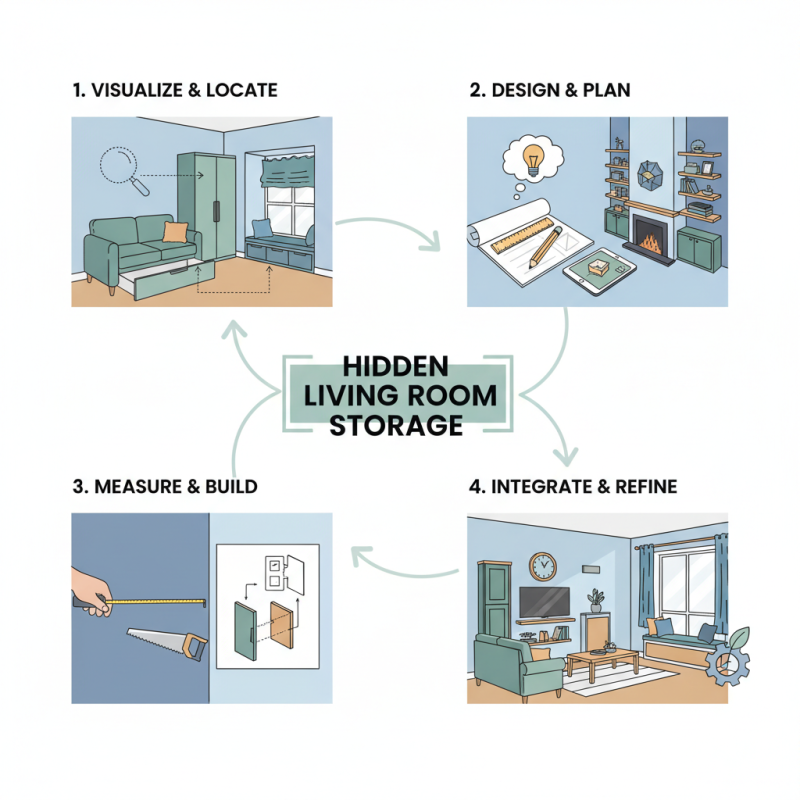
To understand how to install hidden storage in your living room, visualize your space. Consider areas like under furniture or in walls. These spaces can be utilized effectively. Think about built-in shelves or concealed cabinets. They blend seamlessly, keeping your room organized.
It’s essential to plan efficiently. Measure your space accurately before making any changes. Experiment with different designs that suit your style. Remember, achieving the perfect balance between hidden storage and room design may take time and tweaking. Embrace the process, and allow for adjustments along the way.
Hidden storage in living rooms is essential for maintaining a clutter-free environment. According to a recent report by the National Association of Professional Organizers, nearly 80% of individuals feel overwhelmed by clutter. This statistic highlights the growing need for effective organization solutions in our homes. Implementing hidden storage can tackle this issue, allowing us to keep our spaces tidy without sacrificing aesthetics.
Incorporating hidden storage can significantly enhance the functionality of your living room. Popular methods include built-in furniture, such as ottomans and coffee tables with compartments. These multifunctional pieces help store essentials while ensuring your room retains a clean look. Moreover, utilizing vertical space with wall-mounted shelves offers additional storage. According to a study by the American Institute of Architects, 60% of homeowners reported that optimizing storage has improved their living space's overall appeal.
Designing hidden storage may pose challenges. Not all spaces accommodate traditional storage solutions. Some homeowners struggle to find the right balance between accessibility and concealment. It's crucial to assess your room's layout carefully. You might need to rethink your furniture arrangement or select customizable pieces. Your solution should fit your lifestyle while still addressing the clutter issue. Evolving your storage approach can lead to a more serene living environment.
When it comes to creating hidden storage solutions in your living room, several options are available. Each choice has its pros and cons, requiring careful consideration. Built-in shelves can seamlessly blend into your décor. They can be designed as part of the wall, maximizing space without compromising style. However, installation may require professional help, and it can be costly.
Another popular option is furniture with hidden compartments. Coffee tables or ottomans with storage serve dual purposes. They keep your living area tidy while adding functionality. Yet, some designs may not be as durable. You'll want to invest in quality materials to ensure longevity.
Storage bins or decorative boxes placed strategically also offer a stylish solution. They can be tucked away easily and come in various designs. This approach allows flexibility, but you might struggle to find items quickly. Assessing your specific needs can help you refine these choices. Always remember that hidden storage should complement your lifestyle, not add stress.
Creating hidden storage in your living room can enhance both functionality and aesthetics. Start by assessing your space. Measure your walls and note any underutilized areas. Bookshelves or built-in cabinets can serve as excellent spots for concealed compartments. Consider the style of your room. A modern aesthetic may benefit from sleek, minimalist designs, while a rustic look might lend itself to wooden finishes.
When planning your design, think about accessibility. You want to hide storage, not make it inconvenient. Easy-to-open compartments are essential. For example, a lift-up coffee table can conceal magazines and remotes. Pay attention to the placement of storage. Think about how often you use certain items. Items used daily should remain easily accessible.
There can be challenges, too. Measuring inaccuracies can lead to wasted materials. Test your design on paper before building. Reflect on how the hidden storage affects room flow. Sometimes, what seems like a good idea may clutter the space more than it helps. Flexibility is key in this design process. Be open to adjustments along the way.
In recent years, the demand for hidden storage solutions has surged. Reports indicate that nearly 60% of homeowners are seeking ways to maximize space. This trend reflects a growing preference for organized living areas. Seamless integration of hidden storage contributes to a cleaner aesthetic. Techniques for achieving this often include utilizing wall spaces, under furniture, and creative architectural elements.
One effective method is installing custom shelves within walls. This minimizes the footprint while providing ample storage. According to a study by the National Association of Home Builders, over 70% of buyers prioritize built-in storage features. Homeowners can consider recessed cabinets in common areas. These allow easy access without disrupting the overall design.
Another important approach is hiding storage in multifunctional furniture. Ottomans with compartments or coffee tables with drawers are popular choices. A report from the American Institute of Architects shows that furniture versatility is influencing design choices. Spaces that adapt to varying needs enhance functionality. However, the challenge lies in ensuring these solutions do not hinder accessibility. Thoughtful planning is crucial to maintain ease of use while integrating hidden storage seamlessly.
| Storage Type | Installation Method | Estimated Cost | Time Required | Difficulty Level |
|---|---|---|---|---|
| Under Sofa Storage | Slide-out drawers | $150 | 2 hours | Medium |
| Wall Niche | Recessed shelving | $300 | 4 hours | High |
| Coffee Table Storage | Lift-top mechanism | $200 | 3 hours | Medium |
| Hidden Wall Cabinet | Pull-down panels | $400 | 5 hours | High |
| Ottoman Storage | Hinged lid | $100 | 1 hour | Low |
Hidden storage can transform your living room, making it more functional. Consider using under-the-sofa drawers. They can hold blankets or books. This solution keeps your space tidy while providing easy access to essentials.
Incorporate multi-functional furniture. A coffee table with hidden compartments is ideal. It stores coasters or games without cluttering your area. Pay attention to the design and color to ensure it blends seamlessly with your decor.
Think about vertical storage options too. Wall shelves can feature concealed cabinets for extra items. This keeps frequently used items at hand, while less-used items remain hidden. Reflect on your storage needs, adjusting as necessary. Not every solution works for everyone, so be prepared to experiment.
: Built-in shelves, furniture with hidden compartments, and decorative storage bins are popular choices.
They blend into your décor and maximize space, but installation can be expensive and require an expert.
Look for quality materials for durability. Some designs may not withstand regular use.
They are stylish and versatile but may make locating items more time-consuming.
Proper measurements identify underutilized areas. This helps create effective storage solutions.
Storage should be easy to access. Often-used items must remain available for convenience.
Measuring errors can waste materials. Testing designs on paper helps avoid costly mistakes.
Reflect on your needs. Avoid storage solutions that create more clutter than convenience.
In today's living spaces, maximizing storage while maintaining an aesthetic appeal is essential, making the knowledge of how to install hidden storage in your living room particularly valuable. Hidden storage solutions can greatly enhance the functionality of your living room by allowing you to declutter and organize without sacrificing style. This article discusses the importance of such storage, evaluates various options ranging from furniture to custom-built units, and provides a comprehensive step-by-step guide for planning your design and installation techniques.
By incorporating these methods, you can seamlessly integrate hidden storage into your living space. Additionally, the article offers insightful tips for maximizing efficiency and ensuring the storage serves its purpose effectively, thus creating a more organized and enjoyable living environment for you and your guests.
