As urban living continues to rise, the demand for adaptable solutions grows. One answer lies in modular furniture. Industry expert Jessica Harrington has noted, "Modular furniture offers unparalleled flexibility for small spaces." This adaptability makes it a top choice for apartment dwellers.
Data from the National Association of Home Builders indicates that nearly 80% of new residential construction is multi-family. This trend highlights the need for furniture that can maximize space efficiency. Modular designs allow residents to customize layouts with ease. This means one can rearrange a living room or bedroom to suit personal needs without requiring additional furniture.
Moreover, modular furniture is often designed with quality materials, ensuring durability. This blend of aesthetics and functionality caters to the dynamic lifestyles of urban residents. When considering "why is modular furniture better for apartments," it’s clear that enhanced space utilization, versatility, and style make it an ideal option. However, some might wonder if the initial investment is justified. Reflecting on these aspects can help potential buyers make informed choices.
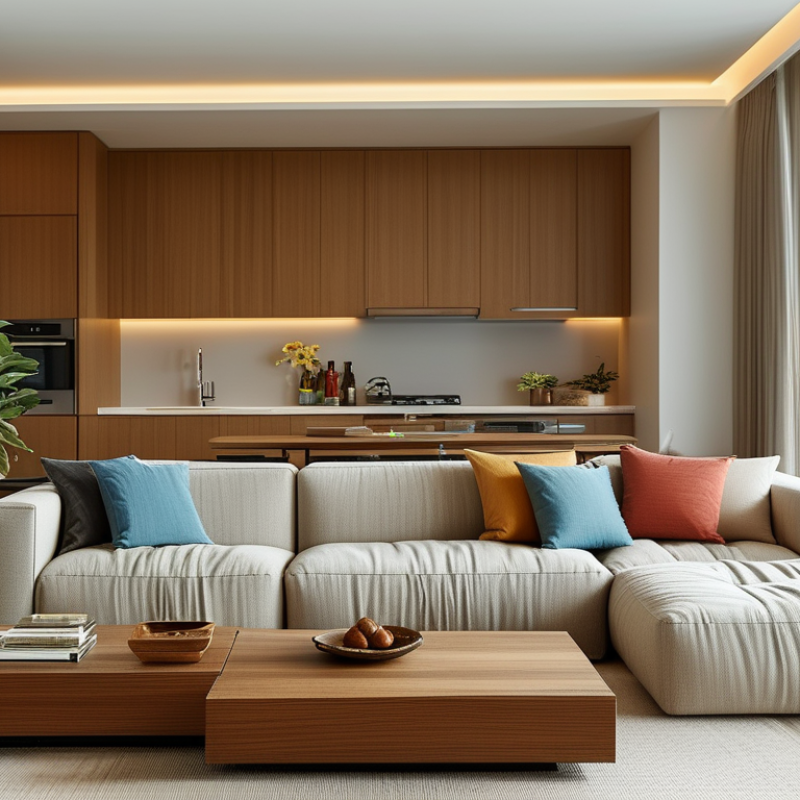
Benefits of Modular Furniture for Space Optimization in Apartments
In today’s urban landscape, modular furniture emerges as an optimal choice for apartment living. These versatile pieces are designed for flexibility and utility, making them perfect for maximizing limited space. According to a report by the American Institute of Architects, over 60% of homeowners seek adjustable furniture that accommodates their evolving needs, especially in urban environments. Modular options allow individuals to reconfigure their living spaces, creating functionality where square footage is limited.
One primary advantage lies in the ability to adapt. For instance, a modular sofa can transform into a bed or be adjusted to create more walking space. The Furniture Today report indicates that 75% of apartment dwellers value furniture that can be rearranged for different occasions. Moreover, restaurants, and remote workspaces are now integrated into homes. Modular furniture makes it simple to create zones within one room, enhancing productivity and comfort.
However, the challenge remains in quality and durability. Not all modular pieces are made to last. Some lack the sturdiness required for daily use. It’s essential to conduct thorough research before investing. Buyers should consider structure, fabric, and functionality. By understanding these factors, apartment living can become both stylish and practical, utilizing every inch available.
Statistics on Apartment Sizes and the Demand for Flexible Living Solutions
Urban living is increasingly characterized by smaller living spaces. Recent studies show that apartments average about 900 square feet in the U.S. This trend highlights the growing necessity for furniture that adapts to limited space. Flexible solutions are crucial for maximizing functionality without sacrificing style.
The demand for modular furniture is seeing a rise. According to a 2022 report by the National Multifamily Housing Council, 70% of renters express a need for versatile living solutions. Modular designs allow for easy reconfiguration. This adaptability makes them perfect for dynamic lifestyles, especially in bustling city environments. Many people also struggle to find pieces that fit both their taste and space constraints.
Limited square footage often means sacrificing comfort. People may feel cramped or unsure about how to best utilize their space. Modular furniture offers a remedy. Consumers can invest in items that serve multiple purposes, such as a sofa that transforms into a bed. This dual functionality is gaining traction among city dwellers, who prioritize convenience and style.
Why is Modular Furniture Ideal for Apartment Living? - Statistics on Apartment Sizes and the Demand for Flexible Living Solutions
| Property Type |
Average Size (sq ft) |
% of Studio Apartments |
Demand for Modular Furniture (%) |
Percentage of Respondents Preferring Flexibility (%) |
| Studio |
400 |
50 |
75 |
85 |
| 1-Bedroom |
600 |
30 |
70 |
80 |
| 2-Bedroom |
850 |
20 |
60 |
75 |
| 3-Bedroom |
1100 |
10 |
50 |
65 |
Key Features of Modular Furniture that Enhance Urban Living Experience
Modular furniture is a game-changer for urban living. Its flexible design allows for easy customization in small spaces. According to a recent survey by the American Institute of Architects, 82% of architects recommend adaptive furniture for compact homes. This kind of furniture can seamlessly adapt to different needs, transforming a studio into multiple functional areas.
One of the key features of modular furniture is its space efficiency. Multi-functional pieces, like sofa beds and extendable tables, are essential for maximizing limited square footage. Research from the Real Estate Institute indicates that city dwellers are increasingly prioritizing versatility in their living spaces. However, some users find it challenging to select the right configurations that suit their lifestyle. Personal preferences may lead to over-compromising on comfort or aesthetics.
Another critical aspect is portability. Many modular units can be easily moved and reconfigured. This allows residents to refresh their homes without extensive renovations. Yet, this can also lead to clutter if not thoughtfully managed. A balance is needed to ensure that the space remains functional and inviting. As urban living continues to evolve, the use of modular furniture is an increasingly relevant solution in achieving comfortable and stylish interiors.
Cost-Effectiveness of Modular vs. Traditional Furniture in Small Spaces
In urban environments, space is often limited. For this reason, modular furniture is becoming increasingly popular. Research from the National Association of Home Builders shows that 60% of millennials live in apartments. This demographic values cost-effectiveness and versatility in their furnishings. Modular furniture, adaptable and space-saving, meets these needs perfectly.
Traditional furniture often requires larger spaces and substantial financial investment. A report from Furniture Today indicates that modular options can be up to 30% cheaper than traditional setups in small areas. This cost advantage stems from the ability to customize configurations. For instance, a single modular sofa can transform into various seating arrangements, ensuring functionality without cluttering the space.
Yet, while modular furniture tends to offer flexibility, not all pieces function seamlessly in every scenario. The challenge comes with fitting different styles and colors together cohesively. Apartment dwellers might find it difficult to create a stylish look. Furthermore, the durability of some budget modular pieces can be questionable. Reflecting on these aspects is essential for making informed choices. Careful consideration of design and quality can lead to a beautiful, multifunctional space.
Cost-Effectiveness of Modular vs. Traditional Furniture in Small Spaces
As urban living spaces become more compact, the cost-effectiveness of modular furniture compared to traditional furniture becomes increasingly vital. This chart illustrates the average costs associated with both types of furniture, showcasing that modular furniture is significantly more affordable while providing similar functionality in smaller living areas.
Trends in Modular Furniture Design Catering to Urban Apartment Dwellers
Modular furniture has gained popularity among urban apartment dwellers for good reasons. Its flexibility allows residents to adapt their living spaces to their ever-changing needs. For example, a sofa can transform into a bed for guests, or a coffee table can extend into a dining space. This adaptability is a game-changer for those who value both style and functionality.
Design trends reflect an understanding of city life. Many contemporary modular pieces are sleek and minimalist, fitting seamlessly into any decor. Materials like lightweight metal and durable fabrics contribute to easy movement and rearranging. However, some pieces might lack charm or warmth. This pushes designers to innovate further, striking a balance between aesthetics and practicality.
Sustainability is another emerging trend in modular furniture. Eco-friendly materials appeal to environmentally conscious consumers. Yet, not all brands prioritize sustainability, leaving choices open to scrutiny. Apartment living can feel cramped, but modular furniture offers solutions. If designed thoughtfully, even small spaces can feel open and inviting. Urban dwellers are finding their unique styles through customization, fostering a sense of individuality.
Conclusion
Modular furniture is increasingly recognized as an ideal solution for apartment living due to its space optimization benefits. As apartments continue to shrink in size, the demand for flexible living solutions has risen. Modular furniture’s adaptable design enhances urban living experiences by allowing residents to customize their spaces based on their needs. Key features such as multifunctionality and reconfigurability enable individuals to maximize limited square footage effectively.
Additionally, when considering the cost-effectiveness of modular versus traditional furniture, it becomes clear why modular furniture is better for apartments. Not only does it offer versatility, but it also tends to be a more economical choice for small spaces. In response to the growing trend of urban dwellers seeking stylish and functional furniture, the modular furniture market is evolving, catering specifically to those living in apartments. Overall, the benefits and flexibility of modular furniture make it a compelling choice for those navigating the challenges of urban living.
 Austin Home
