Austin Home
When it comes to maximizing storage space, "how to optimize kitchen cabinet internal shelving" is crucial. Renowned kitchen designer, Sarah Thompson, emphasizes, "Efficient shelving can transform clutter into a well-organized oasis." Many homeowners struggle with disorganized cabinets. They often feel overwhelmed by the chaos within their kitchen.
Creating functional internal shelving requires thoughtful consideration. Use adjustable shelves to accommodate items of varying heights. Dividers can prevent items from toppling over. Hooks and racks might also enhance vertical space. However, many still find it challenging to implement these ideas effectively. It's common to underestimate the importance of planning and measurement.
Reflecting on personal experiences with kitchen cabinets can lead to better solutions. Consider what works for you. Not all cabinets are the same, and what suits one may not suit another. Sometimes, a simple reorganization makes a significant impact. By learning how to optimize kitchen cabinet internal shelving, you can create a space that is not only functional but also enjoyable to use.
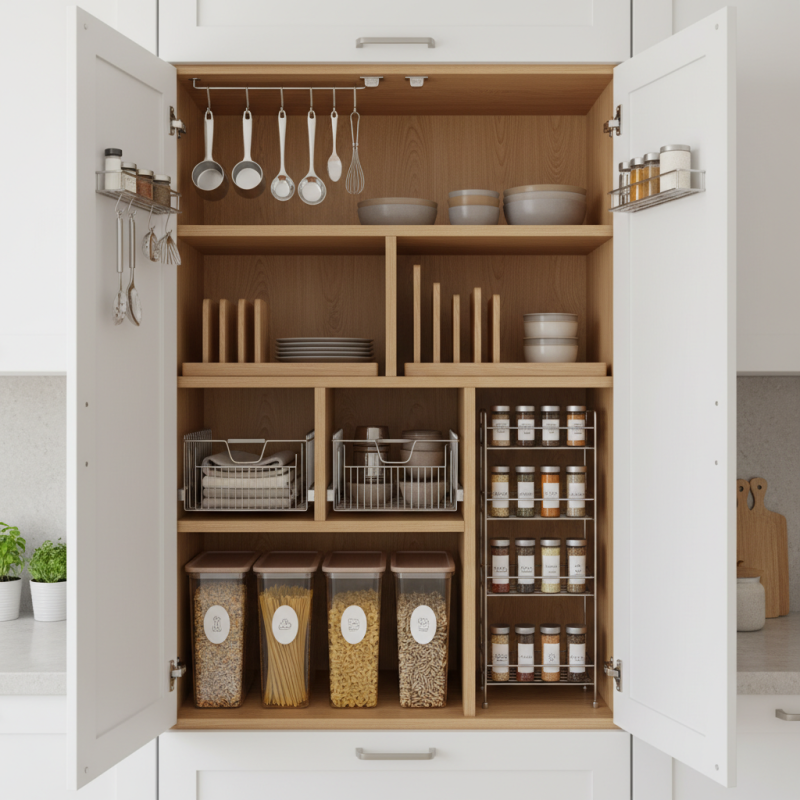
Assessing your kitchen cabinet space is essential for maximizing storage. Start by measuring the height, width, and depth of each cabinet. Most people overlook the vertical space. High shelves can be wasted if you can't reach them. Consider a sturdy step stool to access those upper areas safely.
Take inventory of your kitchen items. Are pots and pans stacked haphazardly? Do you have multiple open jars of the same ingredient? An organized approach can lead to better use of every inch. Use clear containers for small items. Label them to find things easily. It might reveal duplicates you didn’t know existed.
While considering functionality, think about access. Some items are used daily, while others gather dust. Often, we place less-used items in prime spots. Reflect on this: are your cabinets truly serving their purpose? Adjustments can lead to a more efficient kitchen, saving time and effort.
When optimizing internal shelving for kitchen cabinets, the choice of materials plays a crucial role. Strong yet lightweight options can increase both durability and flexibility. Solid wood offers a timeless elegance and strong support but may not be ideal for everyone. Plywood, on the other hand, is often more affordable and can withstand moisture better, making it a practical choice in humid environments.
Consider also using adjustable shelving. Metal brackets or clip systems allow you to customize height as your storage needs change. This is especially beneficial for pots, pans, and bulky items. You might find that what works today could feel cramped tomorrow. Don't be afraid to experiment. If you choose glass shelves, they add an airy feel but may require more care. Each material has its trade-offs, and reflecting on your long-term storage habits is essential.
Balancing aesthetics with functionality is not straightforward. You may desire a stylish look but prioritize practicality in your choices. Sturdiness is vital for heavy items, but consider that more robust materials can sometimes lead to heavier installations. Take the time to measure and plan. An effective shelving system evolves with your needs, so remain open to adjustment and redesign as necessary.
| Shelf Type | Material | Weight Capacity | Flexibility | Durability |
|---|---|---|---|---|
| Adjustable Shelves | Plywood | 50 lbs | High | Long-lasting |
| Fixed Shelves | Particle Board | 30 lbs | Low | Moderate |
| Glass Shelves | Tempered Glass | 40 lbs | Moderate | Very Durable |
| Metal Shelves | Steel | 100 lbs | High | Extremely Durable |
Adjustable shelves are a game changer for kitchen cabinets. They allow you to customize the space according to your needs. With adjustable shelving, you can easily accommodate items of varying heights. For instance, tall jars or stackable containers fit perfectly on higher shelves. Lower shelves can hold smaller items like spices or dishware. This flexibility transforms your storage experience.
Consider the depth of your shelves. Shallow shelves help avoid overcrowding. They give you a clear view of your items. When everything is visible, it reduces waste. You won’t buy duplicates of items you already have. Sometimes, you might find yourself wishing for more space. Reviewing your layout can provide insights into what works and what doesn't.
Also, remember to assess your shelving configuration regularly. It’s easy to let clutter build up. You should rethink your storage strategy every few months. Take note if certain shelves are underused. Maybe they need different placement? Adjusting your shelves isn’t just practical; it also enhances your kitchen’s look.
In any kitchen, maximizing storage is essential. Organizers and bins can help manage items efficiently. A recent industry report indicates that well-organized kitchens can save users up to 30% more space. This statistic demonstrates the importance of thoughtful shelving solutions.
Using clear bins is one effective strategy. They allow you to see contents at a glance. A mix of small and large bins can group similar items together. Consider using labels for added clarity. This keeps frequently used items accessible. Remember, some bins stack neatly, maximizing vertical space.
Another tip is to use tiered shelving. This arrangement gives visibility to all items. Items can be stored by category. For example, baking supplies in one area and snacks in another. This approach minimizes the time spent searching for items. But be careful—too many items can lead to clutter and confusion. Balancing organization with simplicity is key for a functional kitchen.
In modern kitchens, optimizing space is crucial for functionality. Implementing innovative folding techniques can help maximize internal shelving in cabinets. A study by the National Kitchen and Bath Association indicates that efficient storage solutions can increase kitchen productivity by up to 30%. This data emphasizes the importance of creative shelving designs.
Folding shelves can be a game-changer. Imagine easily hiding away bulky items when not in use. Utilizing adjustable platforms allows you to change shelf heights according to varying storage needs. This flexibility is essential in accommodating different kitchen essentials. However, not all designs work well. Poorly constructed shelves may sag under weight, leading to wasted space and frustration.
Consider a pull-out folding shelf that transforms into a larger workspace when needed. It’s innovative but might require careful installation. Regular maintenance is vital to ensure durability and usability. While hoping for perfect solutions, we must acknowledge that space optimization requires ongoing adjustments. Finding the right balance between accessibility and space-saving can be challenging but essential for a well-functioning kitchen.
: Measure the height, width, and depth of each cabinet. Don't forget the vertical space.
It helps organize items effectively and can reveal duplicates you may not know existed.
Use a sturdy step stool to reach upper areas safely and efficiently.
Strong yet lightweight options like plywood and adjustable metal brackets are practical choices.
Use clear bins to see contents easily. Label them for quick access and grouping.
Tiered shelving increases visibility and allows for better item organization by category.
Balance aesthetics with functionality. Consider sturdiness and long-term storage needs.
An organized kitchen can save time and reduce clutter, maximizing your storage space.
Yes, balance organization with simplicity to avoid clutter and maintain functionality.
To optimize kitchen cabinet internal shelving for maximum storage, it is essential to begin by assessing your available space to identify the best storage solutions. By understanding the dimensions and constraints of your cabinets, you can effectively plan the layout. Selecting appropriate shelving materials that ensure durability and flexibility is crucial for sustaining the weight of stored items while allowing easy reconfiguration as needs change.
Utilizing adjustable shelves is a key strategy in maximizing vertical storage capacity, accommodating various item sizes. Incorporating organizers and bins facilitates efficient grouping of similar items, enhancing accessibility and organization. Finally, implementing innovative folding techniques can significantly improve space efficiency, allowing you to make the most of every inch in your kitchen cabinets. By following these guidelines, you can learn how to optimize kitchen cabinet internal shelving for enhanced functionality and storage.
