Austin Home
Investing in high-quality furniture can be a savvy financial decision. Many underestimate how this choice impacts their budgets over time. According to industry reports, low-quality furniture often leads to higher costs in repairs and replacements. In contrast, high-quality items tend to have longer lifespans. This raises the question, "why does high quality furniture save money long term?"
One significant aspect is durability. Quality materials resist wear and tear better, reducing the need for frequent replacements. A study by the American Society of Interior Designers indicates that homeowners can save up to 30% over ten years by choosing durable furnishings. These savings often go unnoticed until you tally up repeated purchases.
Moreover, high-quality furniture also contributes to home value. Real estate data shows that homes with quality furnishings sell at a premium. While it might seem like a substantial upfront investment, the return in asset value is noteworthy. Ultimately, understanding these dynamics is crucial for anyone considering long-term financial health through furniture investments.
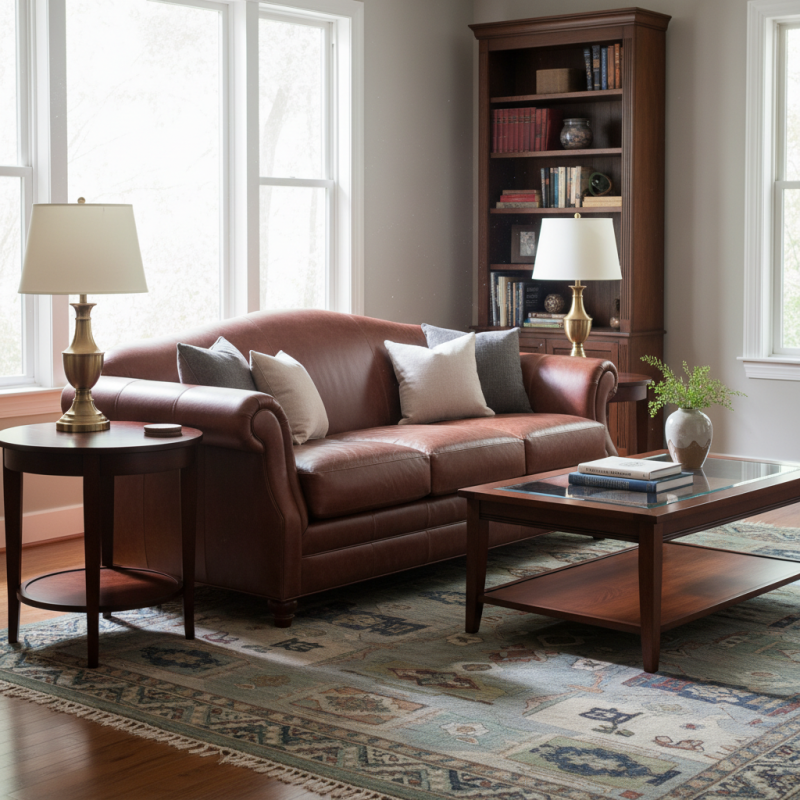
Investing in quality furniture can lead to significant long-term savings. A study from the American Home Furnishings Alliance shows that consumers spend an average of $2,000 annually on furniture. By choosing high-quality pieces, shoppers often save money in the long run. Quality furniture lasts longer, reducing the need for frequent replacements.
Quality furniture is often made from durable materials, which can withstand wear and tear. This durability translates into fewer repairs and replacements. In fact, according to a report by MarketWatch, high-quality furniture can last 10-15 years longer than cheaper options. This longevity is a crucial factor for budget-conscious consumers who want to maximize their investments.
However, it's essential to recognize that not all high-priced furniture guarantees quality. Researching materials and construction methods is necessary to ensure a smart purchase. Reliable sources suggest that solid wood and metal frames generally provide better longevity. Consumers may also face challenges in balancing budget and quality. Reflecting on these aspects can lead to more informed decisions. This thoughtful approach can ultimately result in more lasting savings.
When choosing furniture, selecting durable materials is crucial for long-term savings. According to a report by the Research Institute of Furniture and Wood Technology, over 50% of consumers replace their furniture within five to seven years. However, investing in high-quality materials can extend the lifespan significantly.
Solid wood is an excellent choice. It offers both strength and beauty. Hardwoods like oak and maple resist wear and tear better than softer options. Additionally, furniture made from these materials can have a lifespan of over 25 years with proper care. A study by the American Hardwood Export Council indicates that solid wood products have a lower overall environmental impact due to their longevity.
Another durable option is metal. Metal frames provide sturdy support and resist damage from common household incidents. Powder-coated finishes can prevent rust, extending longevity even further. Upholstery materials like microfiber and high-grade leather are also worth considering. They are easier to clean and maintain. Despite the higher initial cost, the long-term benefits of investing in durable furniture are clear. It reduces waste and ultimately saves money. Choosing wisely now can lessen regret later.
This bar chart illustrates the average lifespan of various furniture materials. Solid wood offers the longest durability, making it a worthwhile investment in the long run, while materials like plastic and particle board are less durable, potentially leading to more frequent replacements.
When choosing furniture that stands the test of time, focus on timeless designs. Classic pieces are often versatile. They can adapt to different styles over the years. Simple designs with clean lines can easily match changing decor. This adaptability makes them a smart investment.
Durability is a crucial factor. Look for solid materials like hardwood or metal. These fabrics withstand wear and tear, ensuring longevity. Pay attention to construction quality as well. Handcrafted furniture often showcases great attention to detail. This care contributes to its lasting nature.
Reflecting on your choices is important. Sometimes, trends lead us astray. A trendy piece may quickly feel outdated. Assess whether a design truly resonates with your personal style and needs. Prioritize comfort and functionality alongside aesthetics. Making mindful decisions ensures your furniture remains relevant and enjoyable for years.
Investing in high-quality furniture can save you money in the long run. According to industry reports, well-maintained furniture can last up to 15 years longer than cheaper alternatives. Regular maintenance is key. A simple cleaning routine can preserve the look and durability of quality pieces. Dusting weekly and using a damp cloth can prevent buildup that leads to deterioration. Experts recommend using furniture polish to nourish wood surfaces, enhancing their longevity.
Caring for upholstery requires a slightly different approach. Vacuuming regularly helps to remove dirt and allergens. Many fabrics have specific cleaning codes. Following these guidelines can help avoid damage and fading. If a stain occurs, addressing it immediately increases the chances of removing it entirely. A professional cleaning, once every few years, is advised to ensure the fabric retains its integrity.
Even with all precautions, wear and tear is inevitable. Occasional scratches or faded areas can raise concerns. Rather than replacement, consider restoration options. Repairing a scratch or reupholstering a chair can be more economical. In fact, many experts suggest that restoration can maintain a furniture's value better than replacement. Investing time into care can yield significant returns on your furniture investment.
| Furniture Type | Care Tips | Expected Lifespan (Years) | Maintenance Cost (Annual) |
|---|---|---|---|
| Sofa | Regular vacuuming, use fabric protector | 10-15 | $50 |
| Dining Table | Avoid direct sunlight, regular polishing | 15-20 | $30 |
| Bed Frame | Tighten screws, clean regularly | 15-25 | $20 |
| Bookshelf | Dust weekly, avoid overloading | 20-30 | $15 |
| Chair | Check for wobbles, clean stains immediately | 10-15 | $25 |
When evaluating furniture purchases, consider both quality and price. High-quality furniture might have a higher upfront cost. However, it often pays off in the long run. You could save on frequent replacements and repairs. A sturdy sofa can last decades, while a cheap one may need replacing every few years. This initial investment becomes worthwhile over time.
Think about the materials used in furniture. Solid wood or metal tends to hold up better than particle board. It's a simple equation: durability plus longevity equals savings. Consider also how furniture complements your lifestyle. If it withstands daily use, it justifies the cost. Yet, not all pricey pieces are beneficial. Choosing a feature-rich sectional over a simple loveseat can lead to clutter. Reflection on your needs is crucial.
Moreover, a well-chosen piece enhances your living space. It creates a welcoming environment. More expensive doesn't equal better. You might find quality at a reasonable price. Researching materials and craftsmanship matters. Engaging with knowledgeable sellers can provide invaluable insights. Understanding the balance between cost and quality is key to truly saving money long term.
: Quality furniture lasts longer and can save you money over time.
On average, consumers spend about $2,000 each year on furniture.
High-quality pieces can last 10-15 years longer than cheaper furniture.
Solid wood and metal frames are preferred for durability and longevity.
Regular cleaning, like dusting and using a damp cloth, helps preserve furniture.
Yes, professional cleaning every few years can help maintain fabric integrity.
Instead of replacing it, consider restoration options for a cost-effective solution.
No, not all high-priced items guarantee quality; research materials and construction is necessary.
Regular vacuuming helps remove dirt and allergens, preserving the fabric.
Address stains quickly to increase the chances of complete removal.
Investing in high-quality furniture may initially seem costly, but it offers significant long-term savings. Understanding the importance of such investments lies in recognizing how durable materials contribute to the longevity of furniture. By selecting timeless designs, consumers can ensure that their purchases remain stylish and useful for years to come, thus avoiding the need for frequent replacements.
Furthermore, maintaining and caring for high-quality pieces can prolong their lifespan, making them more cost-effective over time. Evaluating cost-effectiveness clearly shows why does high quality furniture save money long term; the balance between quality and price reveals that well-made furniture ultimately requires less frequent replacement and repairs, leading to substantial savings in the long run.