Austin Home Austin Home

What Are the Top 10 Eco Friendly Furniture Options in China?

Time:2026-10-08 Author:Liam
0%

Choosing furniture in China is no longer only about price, appearance, or delivery speed. Buyers increasingly ask, “what are the eco friendly furniture options available” before visiting a showroom or contacting a factory. This guide introduces ten practical choices, including bamboo seating, reclaimed-wood tables, rattan furniture, recycled-plastic chairs, cork accessories, and low-emission upholstered pieces. Each option reflects a different environmental strength. Some reduce timber demand. Others limit waste or support longer product life.

The details matter. A bamboo chair may look natural, yet its adhesive and surface coating still require inspection. Reclaimed wood can preserve old materials, but moisture damage and chemical treatment must be checked carefully. Look for traceable sourcing, durable joinery, water-based finishes, and credible certifications such as FSC where appropriate. Also review formaldehyde emissions, packaging materials, repair services, and factory waste practices. These checks make the comparison more reliable.

No furniture category is perfectly sustainable. Transport distance, replacement frequency, and poor maintenance can weaken an otherwise responsible choice. A recycled-plastic chair may last outdoors, while a fragile “natural” product may be replaced quickly. That difference is easy to miss. The strongest decisions combine verified materials, thoughtful design, safe indoor performance, and realistic use conditions. This overview therefore goes beyond attractive labels. It considers how each option is made, used, maintained, and eventually reused or recycled in the Chinese market. Evidence can vary between suppliers, so readers should confirm current documentation before purchasing.
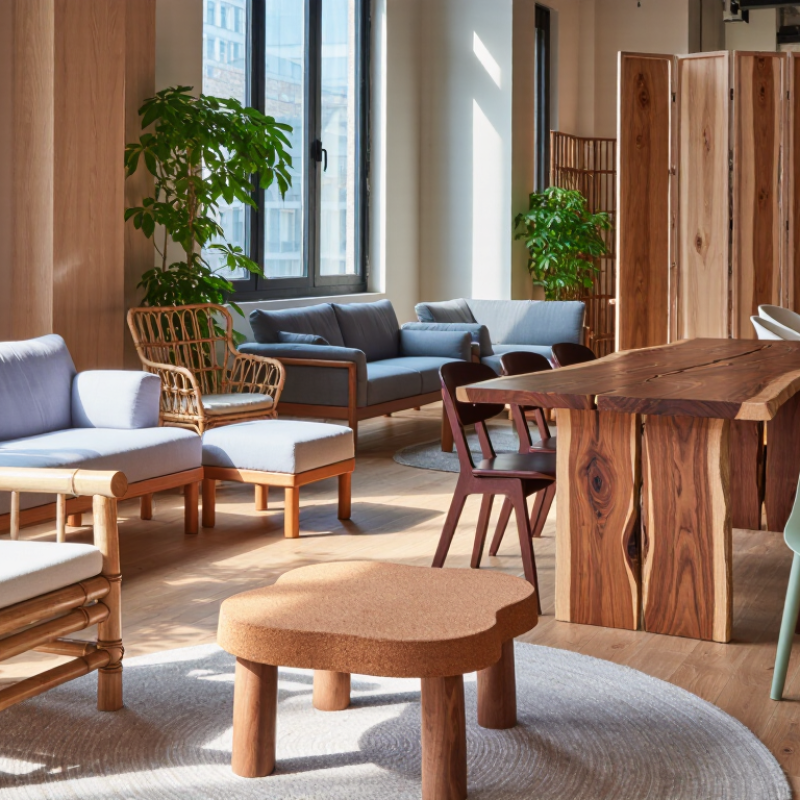
What Are the Top 10 Eco Friendly Furniture Options in China?

Eco-Friendly Furniture Standards in China

China’s furniture market is large enough to make material choices significant. The China National Furniture Association’s 2023 industry report placed manufacturing revenue at about RMB 655.7 billion. Eco-friendly claims therefore need evidence, not green language alone. China’s GB/T 35607-2017 evaluates furniture through materials, production, packaging, and recycling. GB 18580-2017 also limits formaldehyde emissions from wood-based panels. These standards matter in bedrooms, nurseries, and compact apartments.

The top ten practical options are bamboo, certified timber, reclaimed wood, recycled metal, recycled plastic, rattan, cork, low-emission panel furniture, modular furniture, and professionally refurbished pieces. Check test reports, product certificates, panel grades, and repair instructions. A credible supplier should identify the material source and emission results. “Natural” does not automatically mean safe. Bamboo may use intensive adhesives, while recycled plastic can contain uncertain additives. Refurbished furniture saves resources, but its old coatings need careful inspection. This is where buyers often remain too trusting. Certification can also cover one component, not the whole product. During factory assessments, I would verify batch numbers, laboratory dates, packaging materials, and disposal guidance rather than relying on a showroom label. A useful choice is not perfect; it is traceable, durable, repairable, and honestly described.

Top 10 Sustainable Furniture Options Available in China

Sustainable furniture in China can be practical, attractive, and imperfect. The strongest ten options include bamboo tables, reclaimed-wood cabinets, recycled-metal shelving, recycled-plastic chairs, rattan seating, cork stools, low-VOC panel furniture, repairable modular sofas, certified solid-wood pieces, and carefully inspected second-hand furniture. These materials are increasingly available through local workshops, furniture markets, and online marketplaces. Availability differs between cities.

Bamboo grows quickly and suits humid interiors when sealed properly. Reclaimed wood gives old beams a second life, but buyers should check for pests, moisture, and hidden coatings. Recycled metal lasts for years and works well in kitchens or offices. Recycled plastic handles spills easily, although some products feel less comfortable in hot weather. Rattan is light and breathable. It still needs protection from constant humidity. Cork feels warm underfoot and works for small stools or side tables. It is not ideal for heavy daily loads.

Low-VOC panels can reduce indoor odors, but “low” does not mean chemical-free. Ask for emission information and allow ventilation after delivery. Modular sofas can replace one damaged section instead of the whole frame. That saves materials, though replacement parts may be difficult to find. Certified solid wood offers durability, but certification documents deserve careful checking. Second-hand furniture often has the smallest production footprint. Inspect joints, odors, fabric, and repair history before buying. Local production may reduce transport distance, yet its timber sources and finishing practices still require questions. Eco claims need evidence. Sometimes, the greener choice is simply the piece that lasts longer.

What Are the Top 10 Eco Friendly Furniture Options in China? - Top 10 Sustainable Furniture Options Available in China

Comparison of sustainable furniture options commonly available through furniture, material, and custom-manufacturing markets in China. Environmental performance varies according to sourcing, manufacturing, finishes, and product design.
Rank Furniture Option Main Materials Typical Renewable or Recycled Content Why It Is Sustainable Typical Service Life End-of-Life Potential Availability in China
1 Bamboo Furniture Moso bamboo or other engineered bamboo panels, water-based adhesive, and low-VOC finish Usually 70–100% bamboo by material weight, excluding hardware and coatings Bamboo is a rapidly renewable grass that can reach harvest maturity in roughly 3–5 years under suitable conditions and does not require replanting after harvesting Approximately 10–20 years indoors with proper moisture protection and maintenance Can be reused, repaired, or mechanically recycled; untreated bamboo can biodegrade more readily than composite products Widely available in residential, office, hospitality, and custom-furniture markets
2 Reclaimed Wood Furniture Recovered structural timber, flooring, beams, pallets, or old furniture components Often 70–100% reclaimed wood in the visible wood components Extends the useful life of existing timber and reduces demand for newly harvested wood and disposal Approximately 15–50 years, depending on wood quality, joinery, and moisture exposure Highly repairable and reusable; solid wood can often be refinished or recycled into new wood products Available through reclaimed-material suppliers, custom workshops, renovation-material markets, and second-hand channels
3 Certified Responsibly Sourced Wood Furniture Solid wood or wood panels sourced from legally managed or independently certified forests Typically 70–100% wood-based material, depending on the design and hardware Durable wood products can store biogenic carbon and support responsible forest management when chain-of-custody documentation is available Approximately 15–50 years for well-built indoor furniture Can usually be repaired, refinished, reused, or recycled; untreated wood is more suitable for biological recovery Available in premium, contract, residential, and custom-furniture supply chains; certification should be verified by documentation
4 Recycled Metal Furniture Recycled steel or aluminum frames, panels, and fittings with powder-coated or water-based finishes Commonly 25–100% recycled metal, depending on the alloy and manufacturer’s supply chain Steel and aluminum can be recycled repeatedly without losing their basic material properties; metal furniture is also highly durable Approximately 20–50 years indoors, with longer life possible when protected from corrosion Excellent collection and recycling potential when metal parts are separated from upholstery and mixed materials Widely available for office, outdoor, commercial, and industrial furniture applications
5 Recycled Plastic Furniture Post-consumer or post-industrial polypropylene, polyethylene, or mixed recycled plastic Commonly 50–100% recycled plastic in the molded or extruded components Uses existing plastic waste and can provide moisture-resistant furniture without requiring additional timber Approximately 10–25 years, depending on ultraviolet exposure, temperature, and product quality Potentially recyclable when the polymer type is clearly identified and contaminants or mixed materials are limited Available for outdoor seating, storage, tables, school furniture, and public-space applications
6 Rattan and Wicker Furniture Natural rattan cane, bamboo, willow, or other plant-based woven materials with wood or metal frames Usually 60–95% plant-based material, depending on frame and synthetic components Plant-based materials grow relatively quickly and require less energy to process than many solid or synthetic materials Approximately 5–15 years indoors; shorter outdoors unless specifically treated and protected Natural fibers can be repaired or composted under suitable conditions; metal and wood frames can be recovered separately Widely available for indoor seating, decorative furniture, balconies, and hospitality interiors
7 Cork Furniture and Accessories Cork bark panels or granules, natural or water-based binders, and wood or metal supports Approximately 50–100% cork in the cork-based components Cork bark can be harvested without cutting down the tree, and cork is lightweight, resilient, and naturally insulating Approximately 10–20 years indoors, depending on compression, moisture, and surface protection Can be reused or mechanically processed; end-of-life biodegradability depends on adhesives, coatings, and backing materials Available for stools, chairs, tables, panels, desk accessories, and interior applications
8 Recycled Paperboard and Cardboard Furniture Recycled paperboard, corrugated cardboard, paper honeycomb core, and water-based protective coatings Often 70–100% recycled fiber in the paper-based components Uses recovered fiber, has low transport weight, and can reduce material use through honeycomb or folded structures Approximately 2–10 years indoors, depending on load, humidity, and protective treatment Generally recyclable if it is clean, dry, and free from non-paper laminates, metals, and excessive coatings Available for temporary interiors, children’s furniture, exhibitions, retail displays, and lightweight home products
9 Furniture Made with Recycled Textiles Recycled cotton, wool, polyester, or textile offcuts used for upholstery, padding, panels, or acoustic surfaces Typically 30–100% recycled fiber in the textile layer, depending on the specification Diverts textile waste from disposal and can reduce demand for virgin fibers when durable, repairable upholstery is used Approximately 5–15 years for upholstery; the supporting frame may last considerably longer Best results come from removable covers, replaceable cushions, and separable textile, foam, wood, and metal components Available for sofas, office seating, acoustic panels, headboards, cushions, and custom interiors
10 Modular and Repairable Furniture Replaceable wood, metal, bamboo, or recycled-material modules joined with screws, bolts, or other reversible fittings Material content varies; sustainability depends primarily on recycled or renewable components and modular design Individual parts can be replaced or reconfigured, extending product life and reducing the need to replace the whole item Approximately 15–30 years when spare parts and repair instructions remain available Strong potential for repair, resale, remanufacturing, disassembly, and material separation Increasingly available in residential, office, student-housing, and flexible-workspace furniture markets
Selection note: To verify sustainability claims, check material percentages, recycled-content documentation, responsible-sourcing certificates where relevant, low-emission finish specifications, product repairability, and whether different materials can be separated at the end of the product’s life.

Materials and Manufacturing Methods Behind Green Furniture

China’s greener furniture choices depend on materials and factory controls, not appearance alone. Ten practical options are certified solid wood, reclaimed wood, bamboo, rattan, cork, recycled steel, recycled aluminium, recycled plastic, low-emission engineered wood, and mycelium-based panels. Each can reduce pressure on virgin resources when sourced and processed responsibly. The FSC Facts and Figures 2023 report recorded more than 160 million hectares under certified forest management worldwide. However, certification does not erase transport emissions or poor product design.

Manufacturing details often decide the environmental result. Efficient CNC cutting reduces offcuts, while water-based coatings can lower solvent emissions. Formaldehyde-reduced boards are preferable for indoor use, but buyers should request laboratory test results, not vague “eco” claims.

Modular joints, replaceable covers, and standard screws extend repair life. The Ellen MacArthur Foundation reports that the global economy remains only about 8.6% circular, showing how much material is still wasted. Recycled aluminium saves primary extraction, yet melting requires substantial electricity. Local production can help, although China’s electricity mix varies by province.

UNEP’s 2024 Global Resources Outlook states that global resource extraction could rise by about 60% by 2060 without major changes. That warning applies to furniture too. I would not call bamboo automatically green; adhesive choice, kiln energy, and shipping still matter. Mycelium panels are promising, but durability evidence remains limited for heavy daily use. The honest test is simple: inspect the material, ask for emissions data, and consider whether the chair or cabinet can be repaired. Fancy finishes can hide weak sustainability.

How to Evaluate Safety, Durability, and Environmental Impact

What Are the Top 10 Eco Friendly Furniture Options in China?

In China, practical eco-friendly choices include bamboo, reclaimed wood, solid certified timber, rattan, cork, recycled metal, recycled plastic, low-emission plywood, natural-fiber upholstery, and repairable modular furniture. Each option needs closer inspection.

Bamboo can resist daily wear, but poor sealing may cause swelling in humid rooms. Reclaimed wood offers character, although hidden pests, nails, or old coatings require careful checking. Rattan feels light and breathable, yet it may weaken under constant moisture.

Safety starts with documentation and physical inspection. Ask for formaldehyde and volatile organic compound test results from an independent laboratory. Open drawers and cabinets indoors, then notice sharp odors, rough edges, loose joints, and unstable legs. Low-emission plywood is preferable, but “eco” labels alone prove little.

Durability depends on joinery, surface treatment, load capacity, and repair access. A recycled plastic chair may tolerate rain, while a cork table needs better protection from standing water. I have found that attractive finishes sometimes hide weak edges. That risk deserves attention.

Tips:

Compare material weight, joint strength, warranty terms, and replacement-part availability. Choose water-based finishes when test evidence supports them. Prefer furniture designed for disassembly and repair. Check whether packaging uses excessive foam.

Reclaimed materials can reduce waste, but transport distance and energy-intensive processing still affect environmental impact. Buying fewer, stronger pieces may be greener than replacing cheap furniture repeatedly. This is not always obvious.

Where to Find Certified Eco-Friendly Furniture in China

China offers many eco-friendly furniture choices, including FSC-certified wood, bamboo, rattan, recycled metal, reclaimed timber, and low-VOC panel furniture. The harder task is finding reliable certification. Buyers should begin with official certification directories, authorized retailers, and manufacturers that publish traceable product documents. Do not rely on a green logo alone.

For wooden furniture, check the certificate number, material scope, expiry date, and chain-of-custody details. FSC certification can help verify responsible forest materials. China Environmental Labelling certification may provide additional evidence about environmental performance.

For indoor products, request formal testing for formaldehyde and volatile organic compounds. Look for reports from laboratories accredited by CNAS or other recognized bodies. A factory audit can also reveal production practices, waste controls, and material storage conditions.

Ask direct questions. Where did the wood originate? Is the finish water-based? Can damaged parts be replaced? Are packaging materials recyclable? Reliable sellers usually answer clearly and provide matching documents. Some certificates cover only one component, not the whole product. That distinction matters.

A practical mistake is trusting attractive wording too quickly. “Natural” does not always mean certified. “Recyclable” may describe packaging rather than furniture. Visit a showroom when possible. Inspect board edges, odors, joinery, and labels. Online purchases need extra care, because photographs rarely prove environmental claims. Certified options may cost more, but unclear documentation can become the expensive choice later.

FAQS

What makes furniture genuinely eco-friendly in China?

Look for traceable materials, low emissions, durable construction, and repair options. A showroom slogan is not evidence. Check certificates, test reports, and material sources before buying.

Which materials can reduce environmental impact?

Practical choices include bamboo, certified timber, reclaimed wood, recycled metal, rattan, cork, and recycled plastic. Each material still needs inspection. Bamboo may contain strong adhesives, while recycled plastic can include unclear additives.

How can buyers verify wooden furniture certificates?

Check the certificate number, covered material, expiry date, and supply-chain details. The certificate should match the exact product or batch. A logo alone proves little.

What indoor air-quality documents should buyers request?

Request formaldehyde and volatile organic compound test reports for indoor furniture. Reports should come from accredited or otherwise recognized laboratories. Check laboratory dates and matching batch numbers.

Does “natural” always mean safer furniture?

No. Natural materials may contain adhesives, finishes, or hidden treatments. Inspect odors, board edges, labels, and surface coatings. I still find this claim too easy to trust.

Are refurbished furniture pieces environmentally responsible?

Professionally refurbished pieces can save wood, metal, and energy. Inspect old coatings, joints, odors, and replacement parts carefully. Older finishes need caution.

What should buyers ask furniture suppliers?

Ask where the material originated and whether the finish is water-based. Ask if damaged parts can be replaced. Also ask about recyclable packaging and disposal guidance.

How can buyers assess eco-friendly furniture online?

Request complete documents before ordering, because photographs cannot prove environmental claims. Check product labels, certificates, test results, and material descriptions. If answers remain vague, pause the purchase.

Conclusion

This guide explores what are the eco friendly furniture options available in China and how consumers can identify genuinely sustainable choices. It introduces ten practical categories, including furniture made from certified solid wood, bamboo, recycled metal, reclaimed timber, recycled plastics, rattan, low-emission panels, natural fibers, modular designs, and refurbished pieces. It also explains how Chinese environmental standards, product labels, formaldehyde limits, and responsible sourcing policies can help buyers make safer decisions.

The article examines the materials and manufacturing methods behind green furniture, such as water-based coatings, low-waste production, renewable energy use, and repair-friendly construction. It offers a clear framework for evaluating safety, durability, indoor air quality, recyclability, and total environmental impact rather than relying on appearance alone. Finally, readers will learn where to look for certified eco-friendly furniture in China, including reputable manufacturers, certified retailers, local sustainable workshops, and secondhand marketplaces, while checking documentation and product testing information before purchasing.

Liam

Liam

Liam is a dedicated marketing professional with a profound expertise in the industry, where he excels at highlighting the unique advantages of our core products. With a keen understanding of market trends and consumer needs, Liam frequently updates our company’s professional blog, providing......