Austin Home Austin Home

Top 10 Tips for Planning a Kitchen Layout in a Small Flat?

Time:2026-05-07 Author:Charlotte
0%

In urban living, small flats are increasingly common. Many homeowners face the challenge of designing functional kitchens in limited spaces. According to the National Kitchen and Bath Association, 80% of homeowners prioritize space efficiency in their kitchen layouts. Understanding how to plan a kitchen layout for a small flat can significantly enhance both utility and aesthetics.

The art of kitchen design in compact areas requires strategic planning. Effective layouts maximize storage and workflow without feeling cramped. Research shows that open layouts and multifunctional furniture can create the illusion of more space. However, poorly executed designs often lead to clutter and inefficiency.

Choosing the right materials and colors also plays a crucial role. Light colors can make a kitchen feel larger, while clever storage solutions help minimize visual clutter. Nevertheless, many may overlook the impact of lighting, resulting in a less inviting atmosphere. A thoughtful approach is essential for every small flat kitchen project.
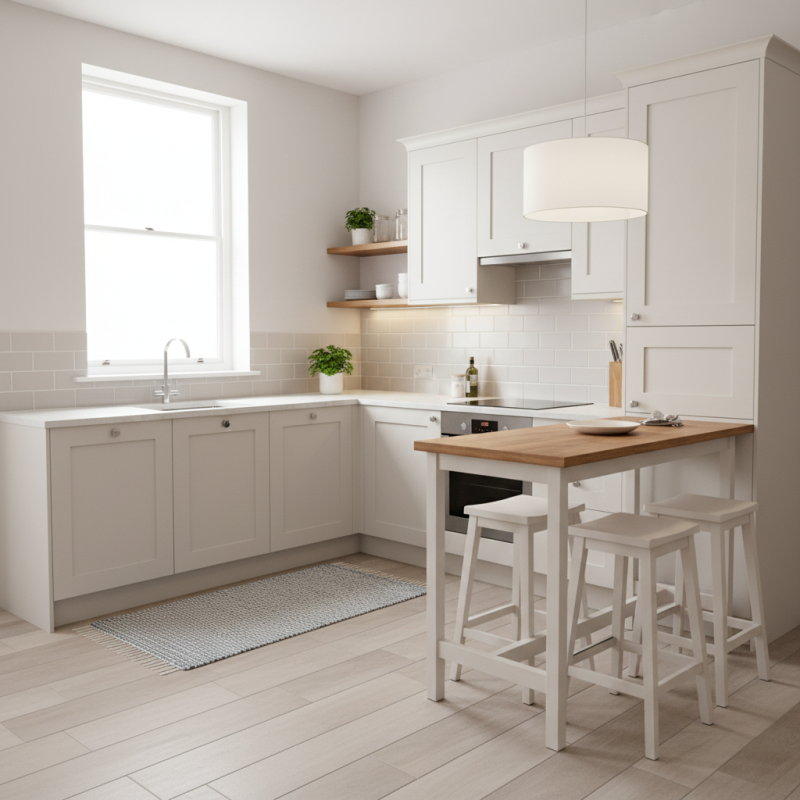
Top 10 Tips for Planning a Kitchen Layout in a Small Flat?

Understanding Kitchen Zoning: Functionality in Small Spaces

In a small flat, kitchen zoning becomes crucial for efficiency and functionality. Dividing your kitchen into zones helps maximize limited space. Start with the cooking zone, where the stove and prep areas are located close to each other. This layout supports smooth workflow, reducing unnecessary movement. Consider a small island or a cart that can double as storage and a prep area.

Next is the cleaning zone. Place the sink near the cooking zone for easy transfer of ingredients and pots. Utilize under-sink cabinets for sponges and cleansers. For storage, vertical shelving or wall-mounted racks can help keep essentials organized. This approach not only saves space but also enhances accessibility.

Don’t forget the food storage zone. A compact fridge and pantry should be strategically positioned. However, with limited space, some items may remain cluttered or hard to reach. It’s important to regularly evaluate what's essential and remove surplus items. Embracing imperfections is part of the design journey. Each kitchen is unique and requires a tailored approach to understand how best to utilize your small space.

Maximizing Vertical Space: Cabinet Solutions for Small Kitchens

In small kitchens, maximizing vertical space is crucial. Wall-mounted cabinets can draw the eye upward, creating the illusion of a larger area. Consider open shelving for frequently used items. This can add accessibility and brighten the space with decorative elements. Floating shelves are versatile, allowing for creative arrangements.

Think about the height of your cabinets, too. Aim for cabinetry that reaches the ceiling. This not only provides additional storage but also minimizes dust accumulation on top. Use the upper cabinets for items you rarely access. Reserve lower cabinets for everyday essentials. You might find that labeling can simplify retrieval.

Evaluate how you use vertical space. For example, tall pull-out cabinets can store cleaning supplies and pantry items efficiently. Incorporating hooks or magnetic strips could keep utensils and spices in reach, such as on the side of your cabinet. Don't forget corners; these can be transformed with lazy Susans or pull-out racks. Small adjustments can make your kitchen not just functional, but also a reflection of your style.

Choosing Compact Appliances: Efficiency Meets Space Constraints

When planning a kitchen in a small flat, choosing compact appliances is key. They maximize space without sacrificing functionality. Consider appliances that are specifically designed for small areas. A countertop oven can replace a traditional one, providing baking capabilities without taking up much room. Mini dishwashers are another excellent choice. Their size supports efficient cleaning while fitting seamlessly under cabinets.

Additionally, multifunctional appliances save both space and time. Look for a microwave that doubles as a convection oven. These choices help streamline cooking processes. However, smaller sizes may lead to limitations. You might struggle to cook larger meals. It’s essential to balance space-saving with your cooking needs.

Careful consideration of appliance specifications is vital. Measure your space accurately before purchasing anything. This reduces the risk of buying items that won’t fit. Even small mistakes can disrupt your kitchen layout. Reflect on your cooking habits, too. You might find that you need less than you expect. Prioritize your must-haves to create a kitchen that feels both spacious and functional.

Utilizing Multi-Functional Furniture: Space-Saving Designs

When designing a kitchen layout in a small flat, utilizing multi-functional furniture is crucial. According to a study by the National Kitchen and Bath Association, nearly 70% of homeowners in small spaces favor furniture that serves multiple purposes. This is especially important in compact areas, where every square foot counts. For instance, a table that doubles as a workspace can help streamline daily cooking and meal prep.

Another effective approach is using storage solutions that integrate seamlessly with your kitchen design. Instead of traditional cabinets, consider open shelves or movable carts. Research shows that these designs can save up to 30% more space compared to conventional options. Furthermore, foldable tables or extendable countertops allow for strategic use of space. They can easily be stored when not in use, reducing clutter. It's essential to carefully plan these elements, as poorly designed furniture can lead to inefficiencies.

Incorporating multi-functional designs also requires critical evaluation. While these solutions maximize usability, they may compromise aesthetics or comfort. For instance, a sofa bed might be practical but can make the room feel cramped. It’s vital to weigh the benefits against potential drawbacks. Balancing style and function can lead to a satisfying kitchen layout, but it's an ongoing process of refinement.

Top 10 Space-Saving Designs for Kitchen Layouts in Small Flats

Incorporating Smart Storage Solutions: Organizational Strategies for Small Flats

In a small flat, maximizing space is crucial. Smart storage solutions transform even the tiniest kitchens into functional areas. Studies show that over 30% of homeowners struggle with kitchen storage in small spaces. Incorporating vertical shelves can increase storage capacity by as much as 50%. Use wall-mounted racks for pots and pans. This approach frees up counter space and gives your kitchen an organized look.

Pull-out shelves and corner cabinets are game changers. They utilize otherwise wasted space. According to the National Kitchen and Bath Association, 75% of people prefer adjustable shelving for flexibility and accessibility. Avoid clutter by using drawer dividers for utensils. This simple addition creates an efficient workflow. Consider multi-functional furniture too. A kitchen island with storage can double as a dining area.

While planning, reflect on your daily routines. Every item should serve a purpose. Inefficient layouts lead to frustration. Additionally, a minimalist approach can make your kitchen feel larger. Remember, functionality is key, but so is aesthetics. Smart storage not only organizes but enhances the kitchen's overall appeal.

FAQS

: What is kitchen zoning?

: Kitchen zoning involves dividing the kitchen into functional areas. It maximizes limited space for better efficiency.

Why is the cooking zone important?

The cooking zone places the stove and prep areas close together. This layout promotes a smooth workflow and reduces movement.

How can I organize my cleaning zone?

Place the sink near the cooking zone. Use under-sink cabinets for sponges and cleaning supplies to enhance accessibility.

What about food storage in small kitchens?

Position a compact fridge and pantry strategically. Regularly assess what’s essential to avoid clutter and hard-to-reach items.

How can vertical shelving help?

Vertical shelving can increase storage capacity significantly. It helps keep essentials organized while saving precious counter space.

What role do pull-out shelves play?

Pull-out shelves optimize wasted space. They make it easier to access difficult areas, enhancing overall kitchen mobility.

Should I consider multi-functional furniture?

Yes, multi-functional furniture like a kitchen island with storage can save space and serve multiple purposes, such as dining.

How can I maintain an organized kitchen?

Use drawer dividers for utensils. This simple hack minimizes clutter and promotes an efficient workflow in small kitchens.

What should I reflect on when planning my kitchen?

Consider your daily routines. Every item should serve a purpose to avoid inefficiency and frustration in your kitchen layout.

How does a minimalist approach benefit small kitchens?

A minimalist design can create a sense of spaciousness. It focuses on functionality while enhancing the kitchen's visual appeal.

Conclusion

When considering how to plan a kitchen layout for a small flat, it's essential to focus on functionality and efficiency. Understanding kitchen zoning allows you to designate specific areas for cooking, cleaning, and storage, maximizing workflow in tight spaces. Utilizing vertical space with smart cabinet solutions not only enhances storage but also keeps the kitchen organized. Compact appliances are crucial for maintaining practicality without sacrificing performance, ensuring that every inch counts.

Additionally, incorporating multi-functional furniture can transform limited areas into versatile spaces, making the kitchen more adaptable to various needs. Implementing smart storage solutions, such as pull-out shelves and hidden compartments, aids in keeping the kitchen clutter-free and organized. Overall, these strategies will help you create a functional, stylish kitchen that makes the most of a small flat's layout.

Charlotte

Charlotte

Charlotte is a seasoned marketing professional with a deep understanding of the company's portfolio and a passion for elevating its presence in the market. With a keen eye for detail and a commitment to excellence, she ensures that our professional blog is regularly updated with insightful articles......