 Austin Home
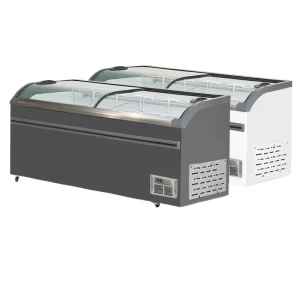
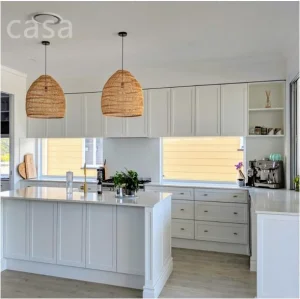
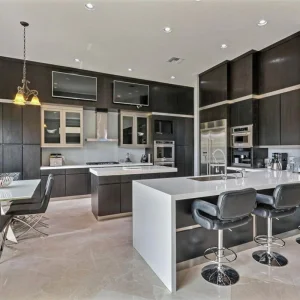
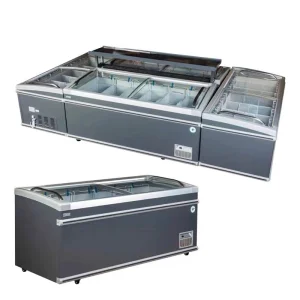
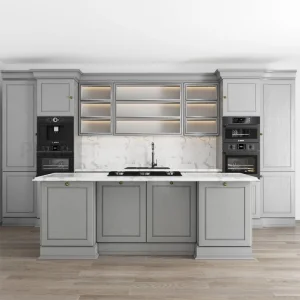
These four core units represent the highest-demand configurations for Mulifanua-based projects — from stainless steel island benches suited to humid coastal kitchens, to ready-made modular cabinetry that shortens installation cycles for resort and residential builds.
Mulifanua sits on the northwestern tip of Upolu, Samoa, and is best known as the ferry gateway between Upolu and Savai'i. That geographic role has quietly turned the district into a logistics and hospitality corridor — a place where ferry terminals, guest houses, small resorts, and family-owned eateries all need durable, humidity-resistant kitchen infrastructure. For importers and project buyers, this creates a distinct sourcing problem: the volumes are moderate, the climate is aggressive, and lead times from typical supply regions are long.
This white paper was written for those buyers. It treats "Kitchen Island Unit Factory & Suppliers for Mulifanua" not as a keyword to be repeated, but as a supply-chain question to be answered: what should a Mulifanua buyer actually specify, how should they vet a factory, and how does a Chinese manufacturer like Foshan Austin Home Co., Ltd. fit into the picture? Because kitchens in Samoa are only as good as the shipping, moisture protection, and installation support that surround them, the article also covers local compliance, freight reality, and a practical five-year technical roadmap.
Looking at Mulifanua from a market-structure perspective, three demand layers are visible. The hospitality layer includes guest fale, small resorts, and ferry-side cafes that need compact island units with integrated refrigeration. The residential layer includes families building or renovating homes along the coastal road, many of whom order cabinet units in kit form and assemble locally. The institutional layer includes schools, church facilities, and small clinics — projects that value durability and straightforward maintenance above decorative finishes.
What ties these layers together is a shared constraint: Samoa's climate is tropical, with high humidity, salt-laden air, and seasonal cyclone risk. Cabinet cores that perform acceptably in a European apartment can swell or delaminate near the coast. That is why the specification conversation for Mulifanua should centre on moisture-resistant core boards, waterproof edge sealing, stainless or aluminium hardware, and elevated toe-kick design that keeps timber away from standing water.
The local industrial picture is lean. There is limited large-scale furniture manufacturing on Upolu, so most high-end cabinetry is imported, often through Apia-based wholesalers. A direct factory relationship — whether for a full container or a mixed-consolidation shipment — can therefore reduce both cost and lead time, provided the buyer plans for freight and customs properly.
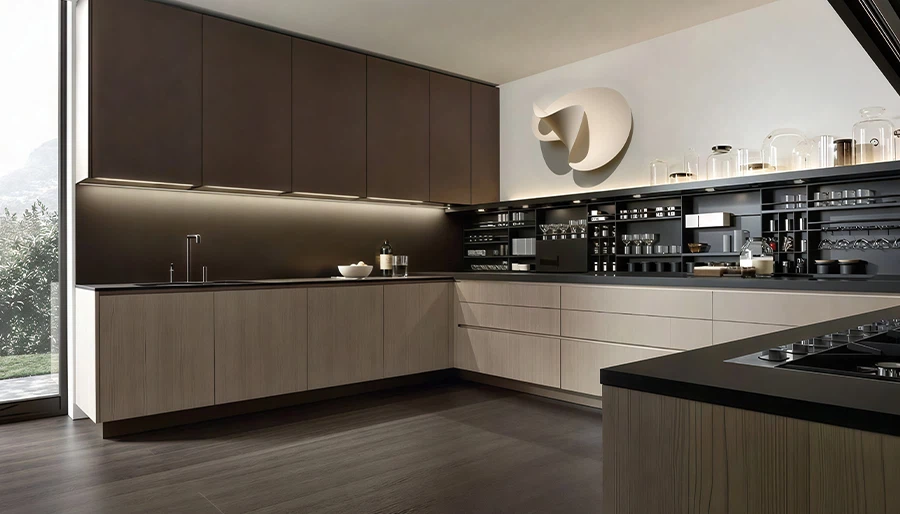
Coastal kitchens in Mulifanua face year-round high humidity. Specifying HMR or marine-grade core boards and full-edge sealing prevents the swelling that ruins cheap flat-pack units within two seasons.
Mulifanua's ferry terminal means many projects span both Upolu and Savai'i. Flat-pack kitchen units that survived ocean freight on a pallet can be re-bundled and moved by ferry with minimal risk of damage.
Because single-project volumes are modest, consolidating island units, pantry cabinets, and refrigeration islands into one mixed container is the most cost-effective approach for Mulifanua buyers.
Kitchen island units are no longer "a piece of furniture." Across global markets, four structural trends are reshaping what buyers order — and each of them matters for a Mulifanua procurement strategy.
Factories increasingly ship kitchen units as dimensioned, pre-drilled kits. This lowers freight volume, reduces on-site labour, and makes island units viable for smaller Pacific projects that cannot absorb full custom-joinery costs.
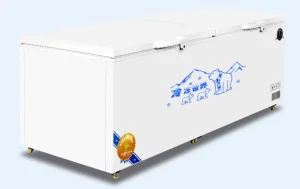
Hospitality buyers now prefer island units that combine prep surfaces with horizontal refrigerated or frozen decks. For ferry-side eateries and resorts, this consolidates equipment and simplifies servicing.
Waterproof panels, sealed edges, and rust-resistant hardware are moving from premium option to baseline expectation. In tropical and coastal climates, this is the single biggest predictor of long-term customer satisfaction.
Importers are bypassing multiple intermediaries, using factory-direct channels to control specifications, view production footage, and negotiate mixed-container loading. This favours manufacturers with transparent QC and export documentation.
Global procurement teams — hotel chains, property developers, and distributors — now issue kitchen island requirements through structured RFQs that emphasise compliance documentation, moisture performance, and container optimisation. These buyers rarely purchase a single unit; they buy a kitchen package: island, base cabinets, pantry tower, tall units, and often refrigeration. For a Mulifanua buyer, borrowing this package logic is smart even at smaller scale.
At Foshan Austin Home Co., Ltd., we specialize in transforming homes with high-quality, custom-designed solutions. Whether you’re redesigning your kitchen, upgrading your wardrobe, or optimizing your bathroom, we provide a full range of stylish and functional furniture and storage solutions. Our focus is on creating spaces that not only look great but also enhance your everyday living experience.
With over 15 years of expertise in the industry, we are proud to offer innovative designs that cater to both residential and commercial projects. Our solutions are tailored to meet the unique needs of each client, ensuring that your space is as individual as you are.
All-in-One Kitchen Solutions — Combining elegant design, enhanced functionality, and full customization, we create kitchens that fit your lifestyle and needs. Whether you're remodeling or starting from scratch, Austin Home offers everything you need to build your dream kitchen.
Custom wardrobes, wardrobe systems, and storage solutions from Austin Home. Designed to combine organization and style effortlessly, our wardrobes create elegant spaces. From modern minimalism to timeless classics, we optimize every inch of your space with elegance.
Stylish and practical bathroom storage solutions designed for modern living. Combining comfort, beauty, and space efficiency, our bathroom cabinets enhance your everyday routine with a touch of luxury.
Fitted Furniture — Custom-fitted furniture for every room by Austin Home. Our pieces blend seamlessly with your space, creating a harmonious flow throughout your home. From the living room to the bedroom or office, we combine cutting-edge design with everyday functionality.
At Austin Home, we understand that every client has unique needs. That's why we offer fully personalized products and services, ensuring that your home is stylish, practical, and perfectly suited to your lifestyle.
Discover your style with Austin Home today! Let us help you create a space that truly reflects who you are.
A kitchen island program for Mulifanua should be built from the ground up around climate, freight, and maintenance realities. The following solution framework summarizes how a factory-direct manufacturer should structure an offer for this market.
Marine-grade and HMR core boards, waterproof adhesives, sealed panel edges, and stainless or aluminium hardware. Island unit bases are raised on adjustable feet to prevent water ingress from floor washing.
Units are pre-drilled and shipped as knock-down kits to minimise volume, reduce freight cost, and simplify transport from Apia port to Mulifanua and onward by ferry to Savai'i.
For hospitality projects, islands can be configured with horizontal refrigerated or frozen decks and serviceable access panels, keeping compressors easy to reach and maintain.
Shaker, European bespoke, American modern, farmhouse grey-and-white — a shared design language lets buyers order matching islands and cabinets across multiple units and future phases.
Importing cabinetry into Samoa involves more than picking a design. Buyers in Mulifanua need to plan around customs clearance, biosecurity requirements for timber products, freight scheduling, and installation labour. A well-prepared supplier relationship reduces friction at every one of those steps.
Commercial invoice, packing list, and certificate of origin prepared for Samoa customs. Timber-based products may require treatment confirmation to satisfy biosecurity requirements — confirm this with the factory early.
Assembly drawings, numbered components, and video guidance for local installers. Clear labelling is especially important when a unit will be assembled by a non-specialist crew.
Hinges, runners, and edge strips shipped as spares with the main order, so minor repairs do not require a second international shipment.
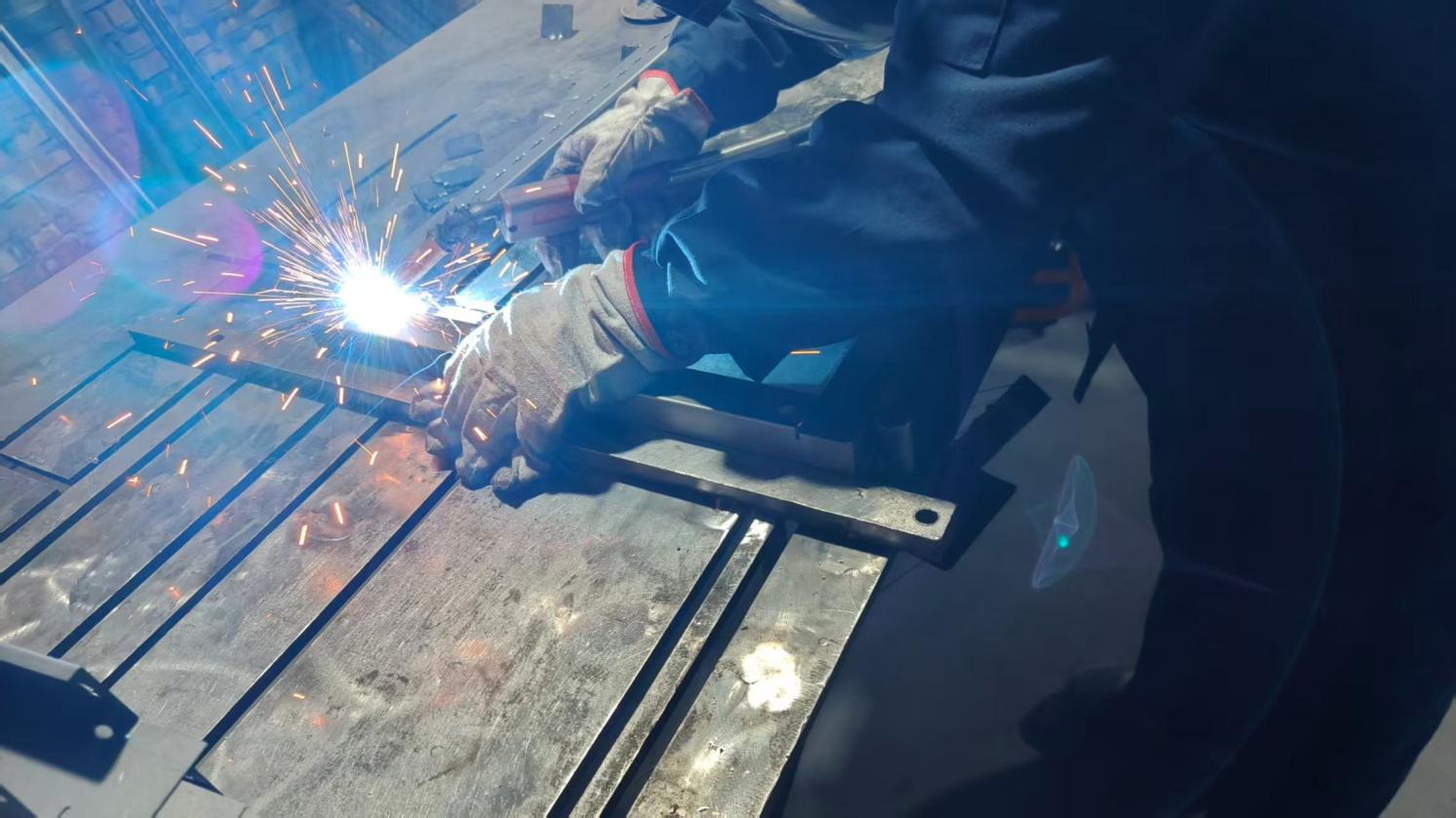
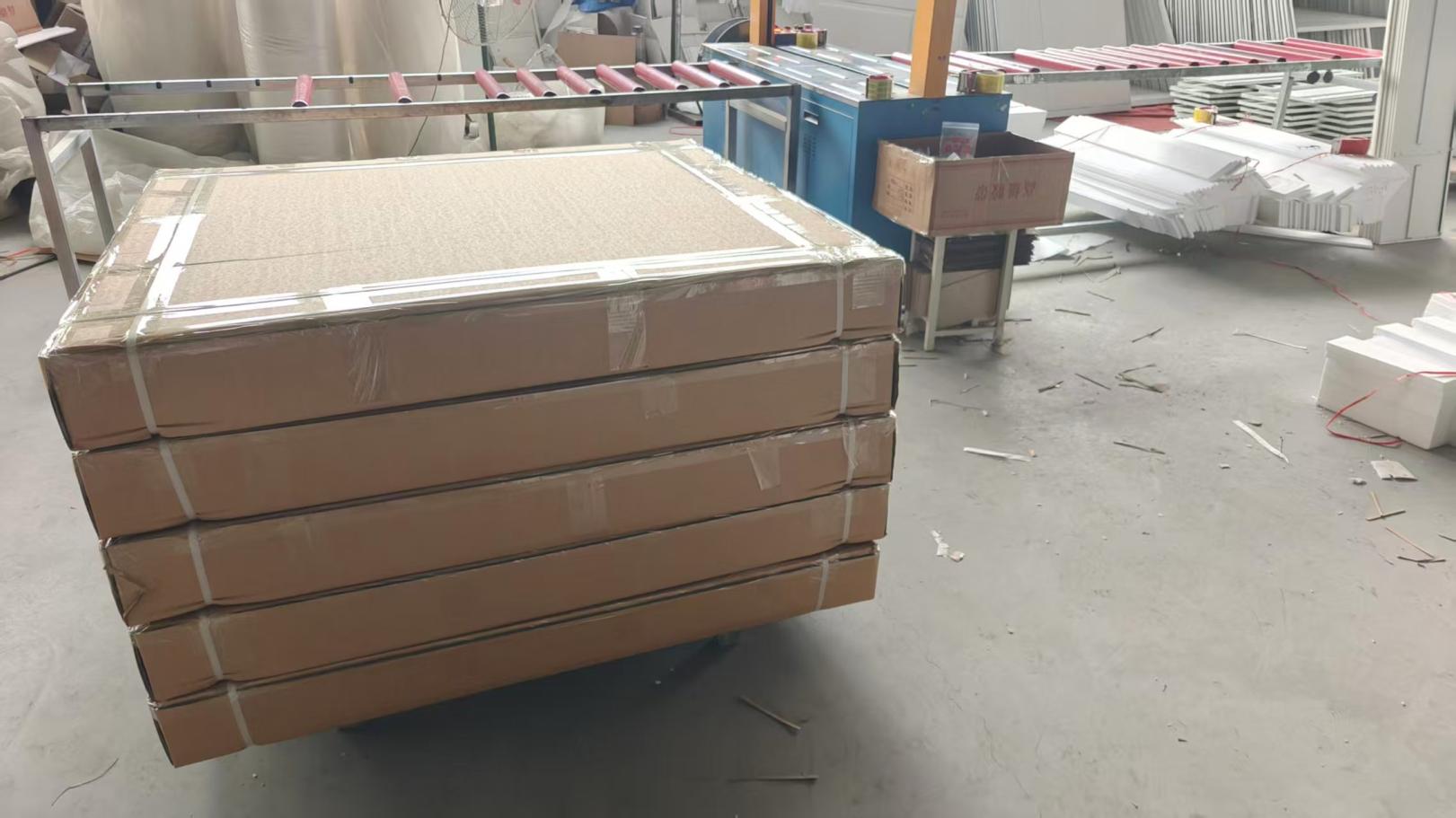
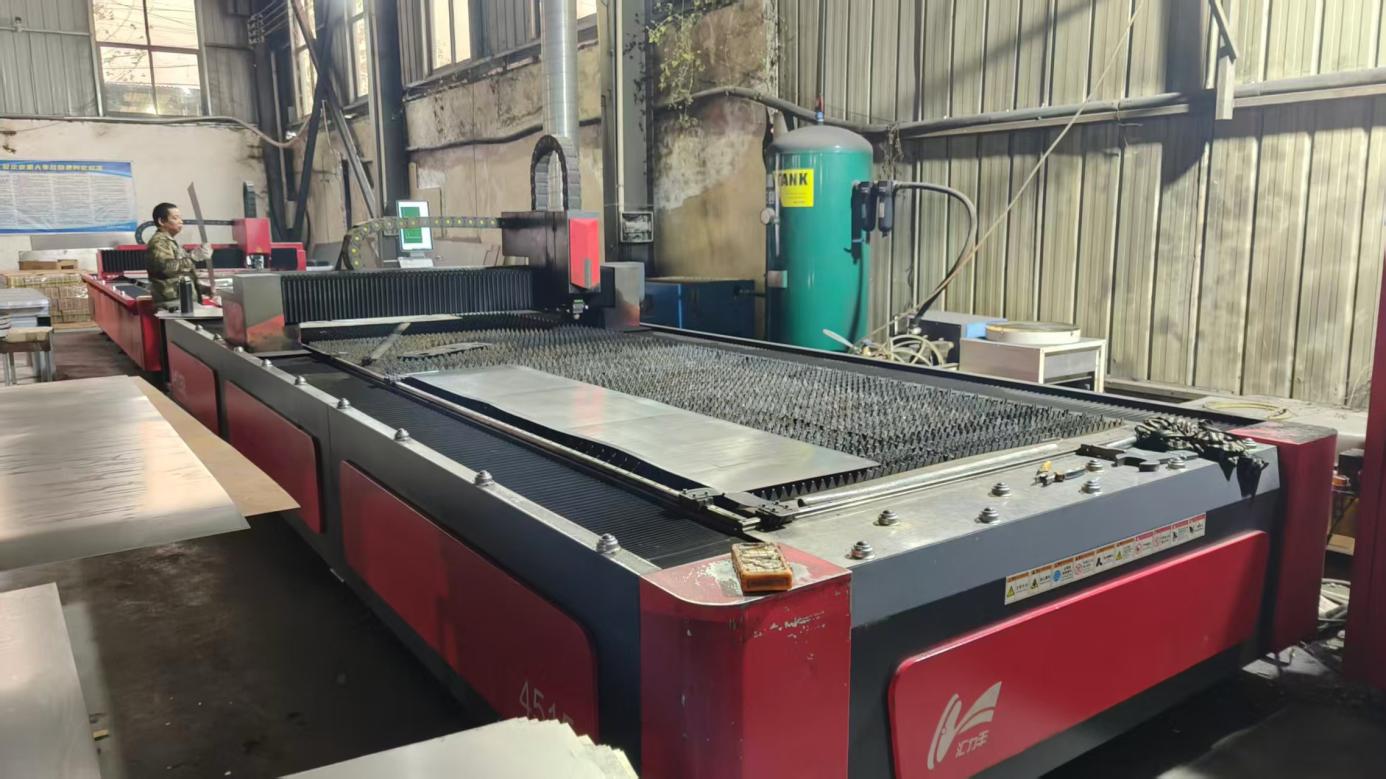
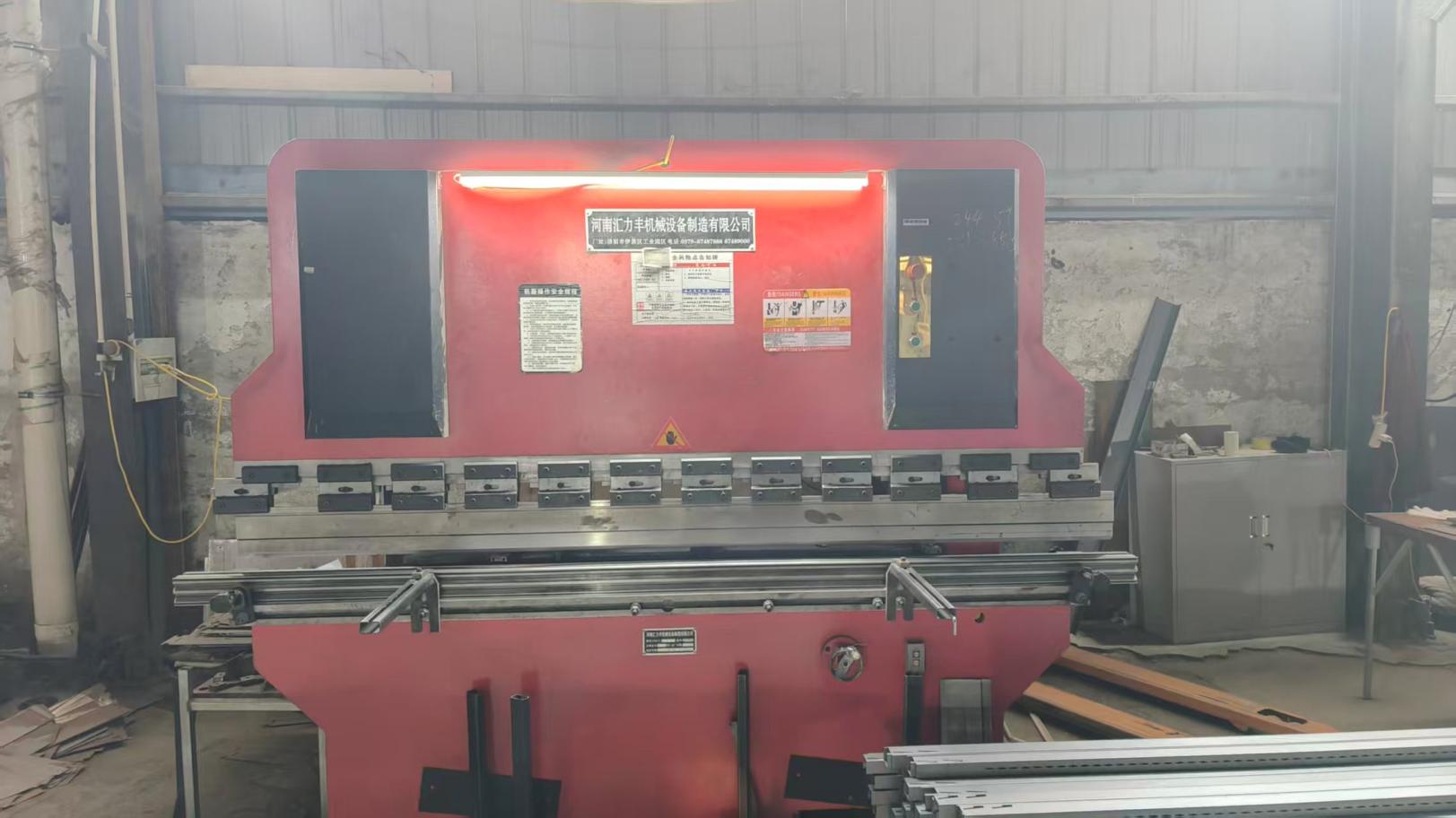
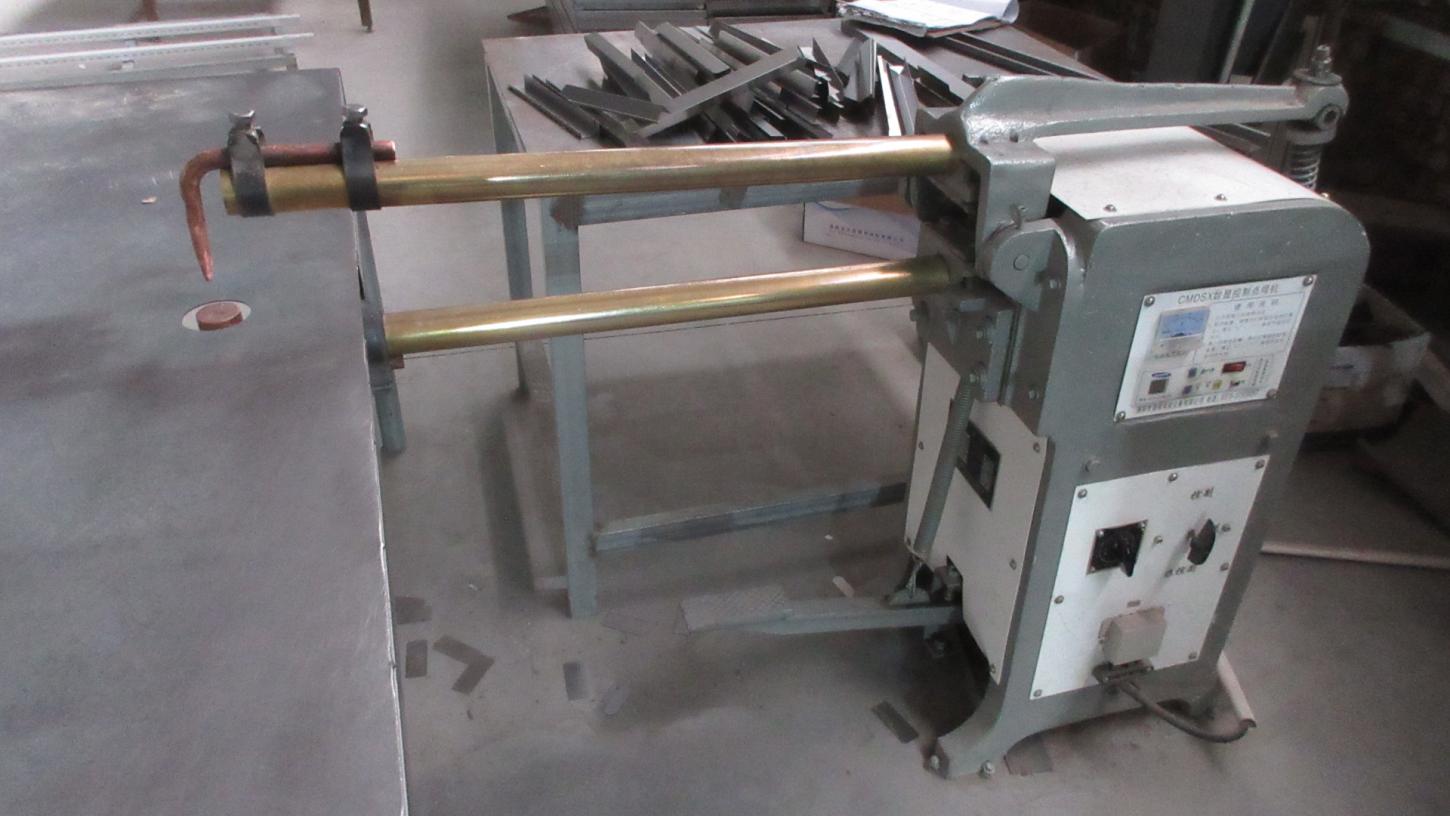
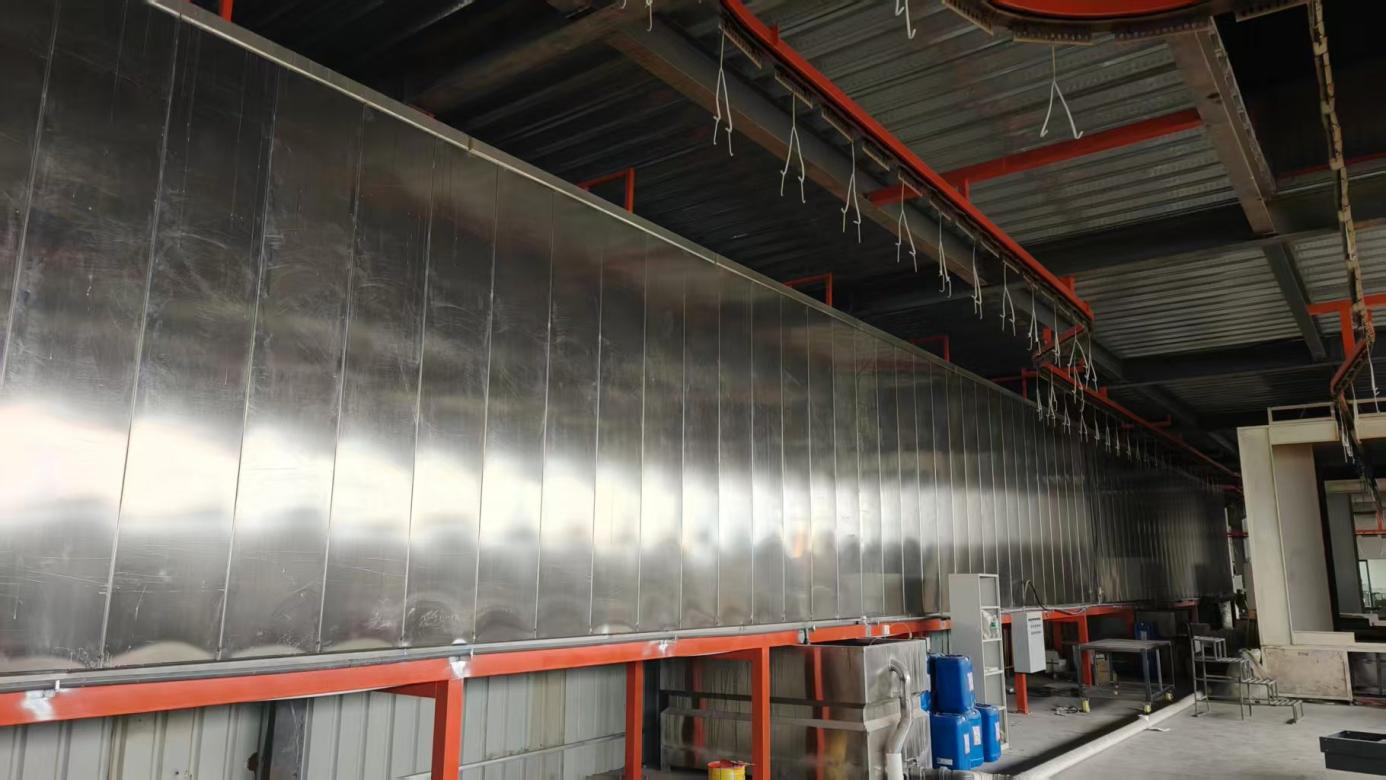
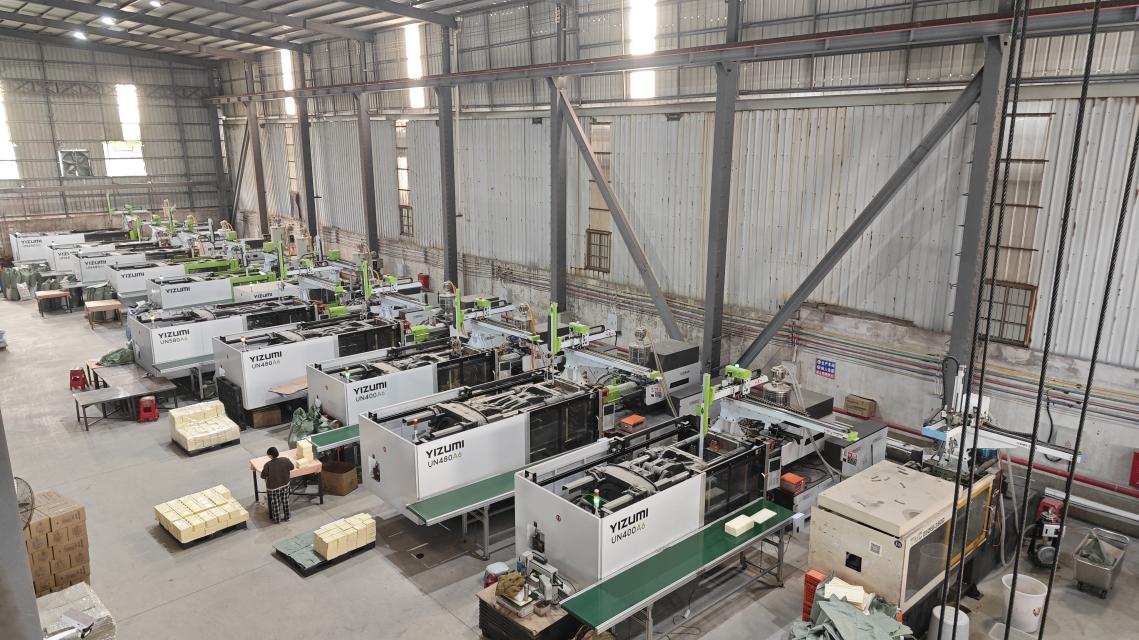
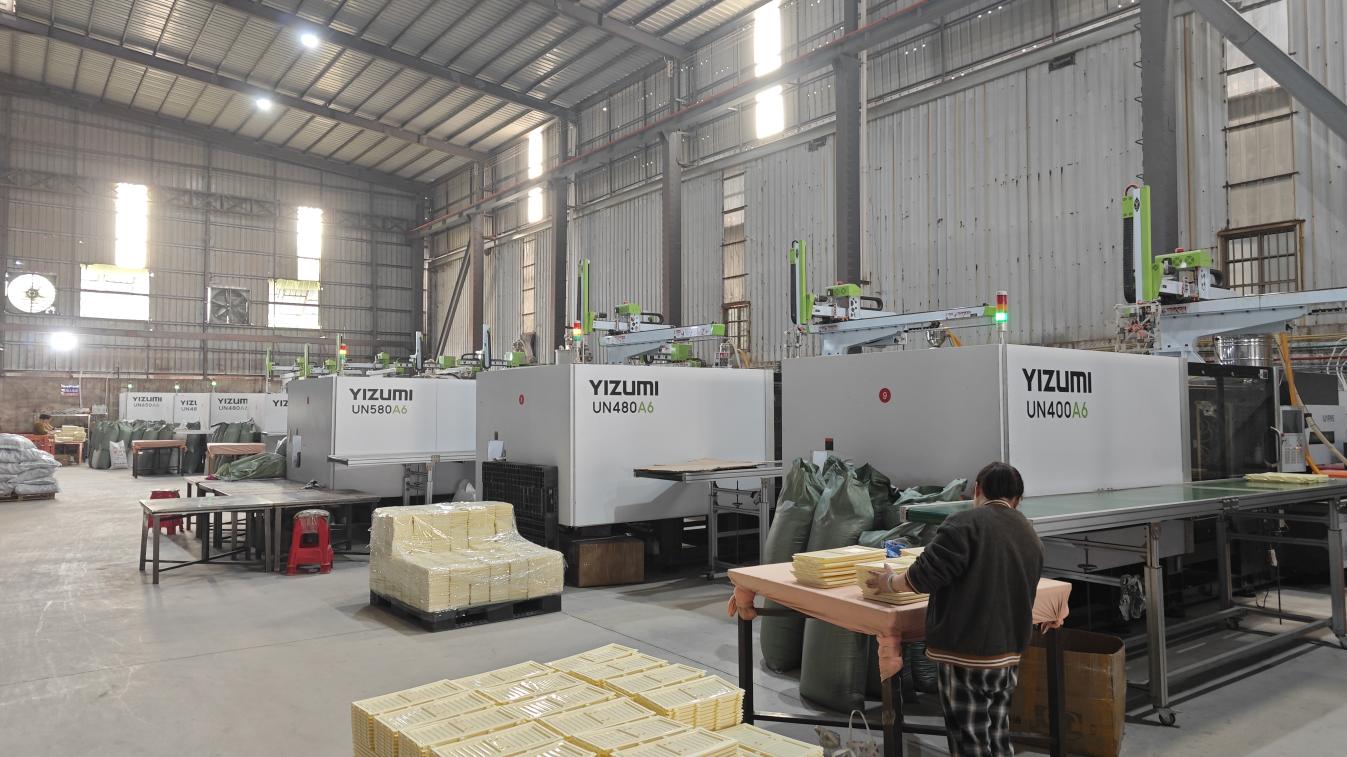
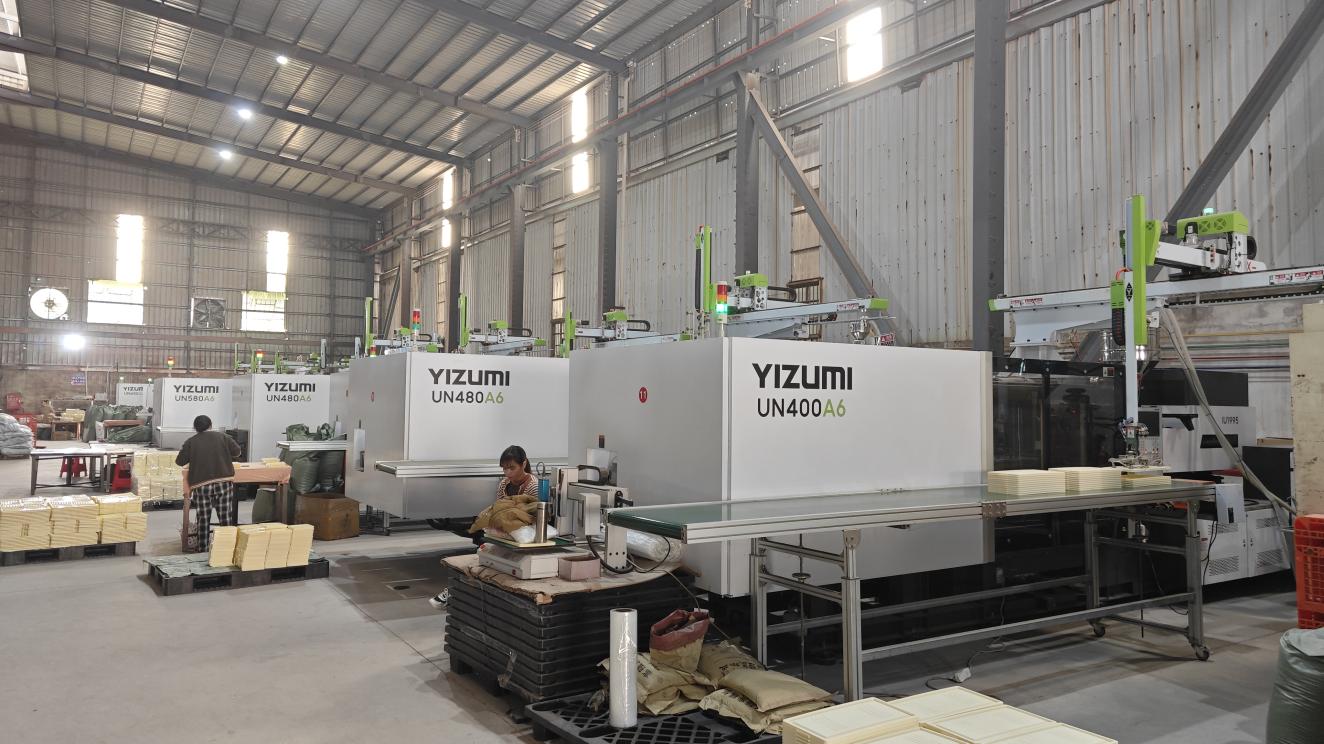
Buyers sourcing from overseas should be able to see the production floor behind their specification. The images below document key processes — welding, bending, laser cutting, spray finishing, and packing — that determine whether a kitchen island unit arrives square, sealed, and undamaged.
For Mulifanua buyers weighing whether to source directly or buy through an Apia-based reseller, the trade-offs are mostly about speed, cost, and specification control. The table below summarises the practical differences.
Local resellers deliver faster but limit finish and dimension choices. Factory-direct sourcing takes longer but lets you specify moisture-resistant cores, exact island sizes, and matching cabinet runs.
Direct ordering removes intermediary margin but adds freight planning responsibility. Mixed-container loading is the key lever for keeping per-unit landed cost competitive.
Direct factory relationships give you access to inspection reports, material specs, and production photos — useful for developer sign-offs and insurance documentation.
Resellers absorb some freight and damage risk. Factory-direct buyers should agree clear Incoterms, packing standards, and inspection checkpoints before production begins.
Kitchen island manufacturing is evolving toward smarter materials, tighter logistics integration, and digital verification. For a market like Mulifanua, these developments are directly relevant: better moisture engineering and better freight planning both translate into fewer failure points.
Wider adoption of waterproof core boards and sealed composite edges as standard, reducing the moisture failure rate that currently shortens kitchen lifespans in coastal Samoa.
Shared module dimensions across island, pantry, and base cabinets, so replacement parts and future additions fit without custom fabrication.
Photo and video inspection reports, QR-coded component labelling, and remote pre-shipment checks that let buyers verify quality before the container departs.
Integrated LED task lighting, energy-efficient refrigeration decks, and lower-VOC finishes — features that increasingly matter to hospitality and residential buyers alike.
Looking further ahead, the most significant shift may simply be supply-chain transparency. Buyers in remote island markets are becoming more sophisticated: they want to know which factory made the unit, what board core was used, and how the container was packed. Manufacturers that can answer those questions quickly will win repeat orders. That is the standard we hold ourselves to at Foshan Austin Home Co., Ltd.
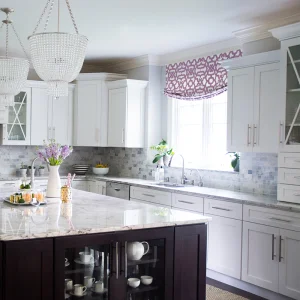
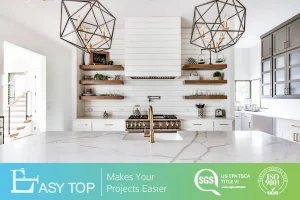
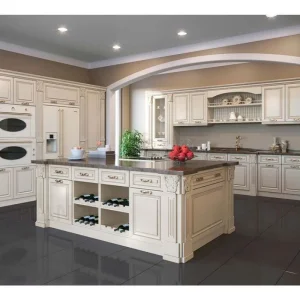
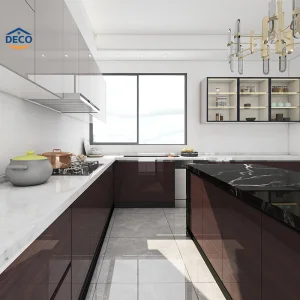
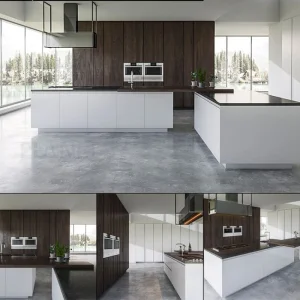
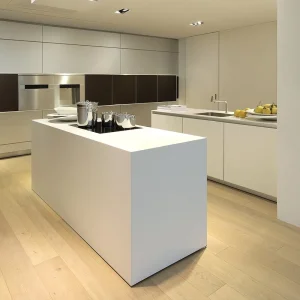
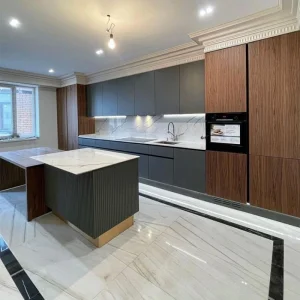
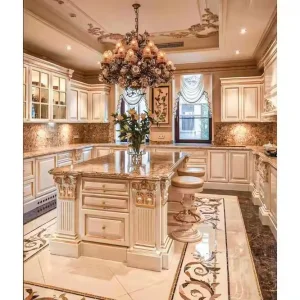
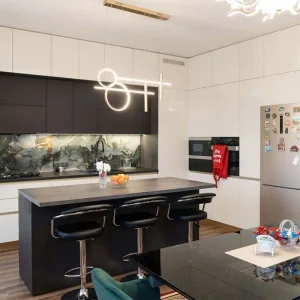
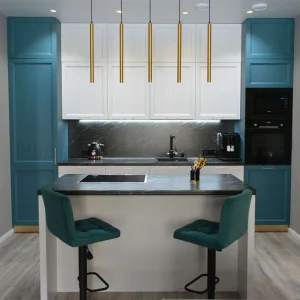
These eight additional units complete the catalogue — from modern individual kitchen units and farmhouse shaker joinery to European bespoke island systems, high-gloss pantry cabinets, and commercial refrigeration islands. All are available for mixed-container consolidation.
Practical answers for buyers sourcing kitchen island units for Mulifanua and the wider Samoan market.
Share your dimensions, finishes, and target quantities. We will respond with a specification proposal, mixed-container loading plan, and full export documentation checklist.